July 2, 2026
Cheat Sheet to Depression and Anxiety in the Elderly

Key Takeaways
- Depression and anxiety in the elderly are common but frequently go undiagnosed or untreated.
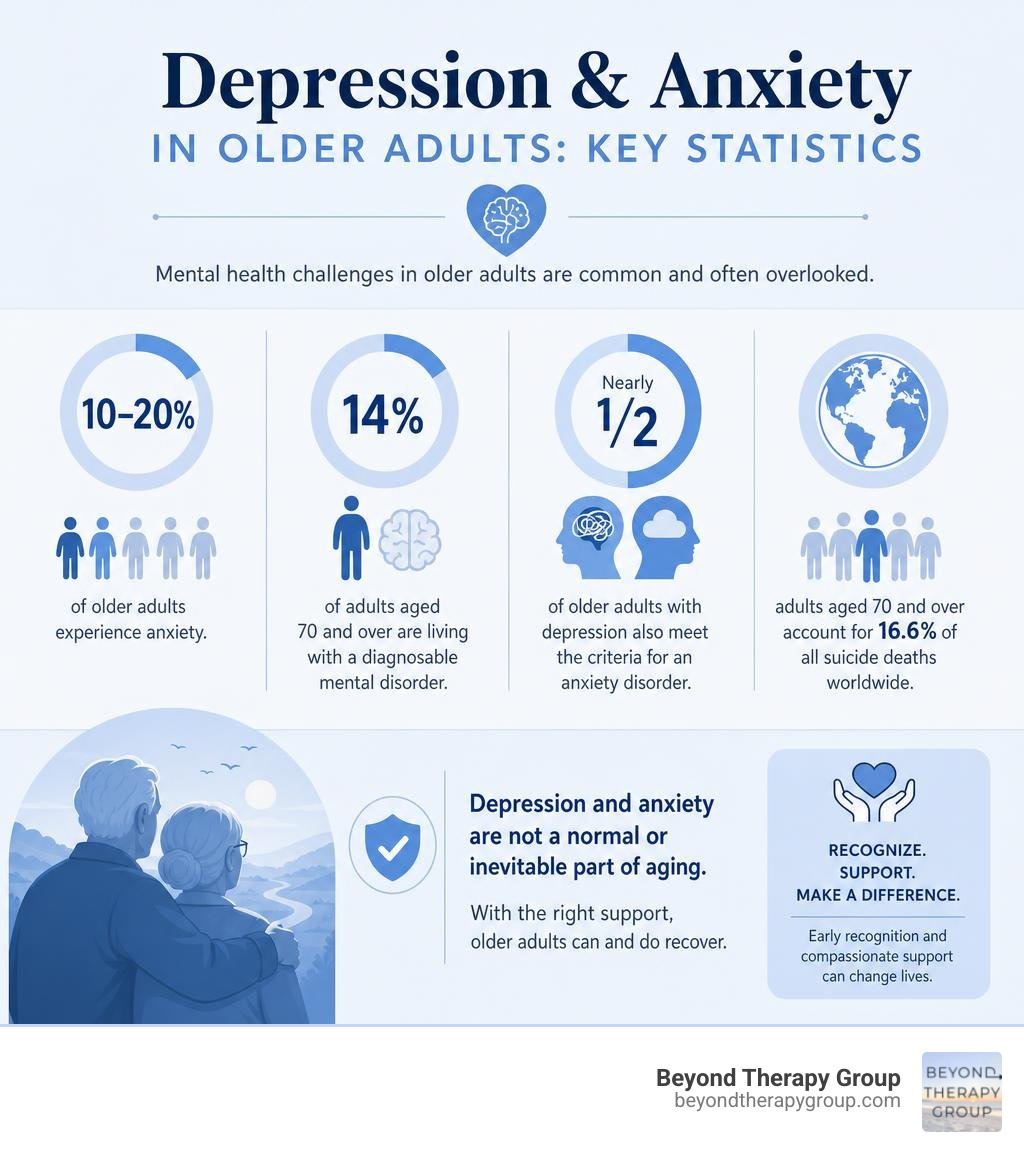
- Roughly 10 to 20% of older adults experience anxiety, and up to 14% live with a mental disorder.
- Symptoms often look different in older adults, making them easy to miss or mistake for normal aging.
- Both conditions are treatable at any age with the right support.
- Family members and caregivers play a critical role in early recognition and help-seeking.
Why Depression and Anxiety in the Elderly Deserve More Attention
Depression and anxiety in the elderly are far more common than most people realize, yet they remain among the most underrecognized health challenges facing older adults today.
Consider this: anxiety affects as many as 10 to 20% of older adults. Approximately 14% of adults aged 70 and over are living with a diagnosable mental disorder. And nearly half of older adults with depression also meet the criteria for an anxiety disorder.
Yet these conditions are routinely missed. Why?
Because in older adults, depression and anxiety often do not look the way we expect them to. Instead of expressing sadness or worry, an older person might complain of persistent back pain, fatigue, or digestive problems. They might withdraw quietly from social life. They might be written off as “just getting older.”
That assumption is both common and harmful.
The consequences of leaving these conditions untreated are serious. They range from accelerated physical decline and cognitive impairment to, in the most severe cases, a significantly elevated risk of suicide. Globally, adults aged 70 and over account for 16.6% of all suicide deaths.
The good news is that depression and anxiety are not a normal or inevitable part of aging. With the right care, older adults can and do recover.
This guide breaks down everything you need to know, from recognizing the signs to understanding treatment options and how to support someone you love.
Understanding Depression and Anxiety in the Elderly

To effectively address mental health in our later years, we must first understand what these conditions actually look like in older adults. Late-life depression is generally defined as a depressive disorder occurring in individuals aged 65 and older. While some seniors have struggled with mental health throughout their lives, many experience their very first episode of depression or anxiety in old age.
When these two conditions co-occur, it is often referred to as late-life anxious depression. This combination is incredibly common. In community-based settings, nearly 47.5% of depressed seniors also meet the diagnostic criteria for an anxiety disorder. In primary care settings, that number climbs to over 61%.
For a closer look at the clinical foundations of these conditions, you can read the Scientific research on late-life depression.
Because these conditions frequently overlap, it helps to look at how their symptoms present side-by-side:
| Symptom Category | Depressive Presentation | Anxious Presentation |
|---|---|---|
| Cognitive | Feelings of hopelessness, worthlessness, or excessive guilt, and difficulty concentrating | Persistent, uncontrollable worry about everyday events, health, or family safety |
| Physical/Somatic | Chronic fatigue, unexplained aches and pains, significant appetite changes | Muscle tension, racing heart, trembling, shortness of breath, dizziness |
| Behavioral | Social withdrawal, loss of interest in hobbies, neglecting personal hygiene | Avoidance of social situations, reluctance to leave home, fear of falling |
| Sleep Patterns | Insomnia or hypersomnia (oversleeping), early morning waking | Difficulty falling asleep due to racing thoughts, frequent nighttime waking |
Common Types of Anxiety in Older Adults
Anxiety in older adults is rarely a generalized “nervous feeling.” It typically manifests as specific, diagnosable disorders:
- Generalized Anxiety Disorder (GAD): This is the most common anxiety disorder among older adults. It involves persistent, excessive worry about everyday concerns such as personal health, financial stability, or the safety of family members.
- Phobias: Specific phobias are highly prevalent in later life. The most common is the fear of falling, which can become so severe that it prevents seniors from walking or leaving their homes. Social phobia is also common, often driven by a fear of forgetting names or showing physical signs of trembling in public.
- Panic Disorder: Though less common in older populations than in younger ones, panic attacks still occur. Because they cause sudden chest pain, shortness of breath, and dizziness, they are frequently mistaken for a heart attack or stroke.
- Post-Traumatic Stress Disorder (PTSD): PTSD symptoms can re-emerge decades after the original trauma. Retirement, physical limitations, or moving into an assisted living facility can remove the busy distractions that previously kept traumatic memories at bay.
How Depression and Anxiety in the Elderly Differ from Younger Populations
In younger adults, depression is often identified by a flat affect, crying spells, or expressed sadness. Older adults, however, are much more likely to present with somatic symptoms. They may complain constantly about physical issues like joint pain, digestive trouble, or headaches, even when medical tests show no physical cause.
Additionally, cognitive decline can mask or mimic mental health struggles. Memory issues, confusion, and difficulty focusing are common symptoms of geriatric depression, often leading families to worry about dementia when the actual culprit is a highly treatable mood disorder.
According to the World Health Organization data on older adult mental health, mental health conditions in older people are frequently underrecognized and undertreated because both families and healthcare providers mistake these symptoms for a natural part of the aging process.
Risk Factors and Triggers for Geriatric Mental Health Issues

Mental health struggles in later life do not occur in a vacuum. They are typically triggered by a complex combination of biological changes, physical illnesses, and major life transitions.
Biological and Medical Contributors
The aging body undergoes natural changes that can make seniors more vulnerable to mood and anxiety disorders:
- Neurodegenerative Disorders: Conditions like Alzheimer’s disease, vascular dementia, and Parkinson’s disease directly alter brain chemistry and pathways, frequently triggering severe anxiety and depressive episodes.
- Cardiovascular Disease and Stroke: Poor cardiovascular health limits oxygen and nutrient delivery to the brain, which can damage areas responsible for regulating mood.
- Chronic Pain and Illness: Living with constant discomfort from osteoarthritis, diabetes, or severe neuropathy drastically reduces daily functioning and drains emotional reserves.
- Medication Side Effects and Polypharmacy: Older adults often take multiple prescription drugs. Interactions between blood pressure medications, beta-blockers, and other common prescriptions can directly cause symptoms of depression or anxiety.
Social and Psychological Triggers
As we age, our social circles and daily routines change dramatically, sometimes leading to emotional distress:
- Loneliness and Social Isolation: Roughly a quarter of older adults are socially isolated. Losing a spouse, friends, or neighbors can leave seniors without a reliable support system.
- Retirement and Loss of Purpose: Transitioning out of a lifelong career can trigger an identity crisis, leaving older adults feeling directionless or undervalued.
- Loss of Independence: Giving up a driver’s license, needing help with daily tasks, or moving out of a family home can feel like a profound loss of personal control.
- Elder Abuse: Sadly, one in six older adults experiences some form of abuse, which is often perpetrated by their own caregivers and leads to profound psychological trauma.
For those navigating these complex transitions or managing co-occurring challenges in later life, you can read More info about specialized senior care.
The Consequences of Untreated Mental Health Conditions
Ignoring the signs of depression and anxiety in older adults is not just a disservice to their emotional well-being. It is a direct threat to their physical survival.
Physical and Cognitive Decline
When mental health conditions are left untreated, they accelerate physical deterioration. Chronic anxiety elevates cortisol levels, putting extra strain on the heart and weakening the immune system. This makes it harder for the body to fight off infections or recover from minor illnesses.
Furthermore, depression can cause a phenomenon known as pseudodementia. This is a state where a senior appears to have severe cognitive impairment, including memory loss and confusion, but the symptoms are actually driven entirely by depression. When the depression is successfully treated, the cognitive clarity returns.
Untreated mental health issues also contribute to functional disability. Seniors who feel hopeless or highly anxious are less likely to eat nutritious meals, take their prescribed medications, or engage in physical therapy, leading to a rapid decline in mobility and self-care.
Increased Suicide Risk and Self-Harm
Perhaps the most tragic consequence of untreated geriatric depression is the elevated risk of self-harm. Older adults are highly resilient, but persistent physical pain, coupled with the loss of loved ones and deep feelings of hopelessness, can lead to severe despair.
In the United States, older adults make up a disproportionate number of suicide deaths. While younger individuals may make suicidal gestures as a cry for help, older adults who attempt suicide are far more likely to use highly lethal means, making early identification and crisis intervention absolutely vital.
Evidence-Based Treatment Options for Older Adults
Fortunately, aging does not make mental health treatments any less effective. Older adults respond beautifully to professional care, provided the treatment plan is tailored to their unique physical and cognitive needs.
To explore the clinical data surrounding these interventions, you can consult the Scientific review of psychological treatments for seniors.
Psychotherapy and Counseling Approaches
Talk therapy is often the safest and most effective first-line treatment for older adults, as it carries zero risk of pharmaceutical side effects or drug interactions:
- Cognitive Behavioral Therapy (CBT): CBT helps seniors identify negative thought patterns, such as “I am just a burden to my family,” and replace them with more realistic, balanced perspectives. It can be easily adapted for those with mild cognitive impairment or sensory challenges by using visual aids and memory prompts.
- Problem-Solving Therapy (PST): This highly structured approach focuses on teaching seniors practical steps to manage specific, real-world stressors, such as navigating a new medical diagnosis or coping with reduced mobility.
- Life Review Therapy: This narrative-based approach guides older adults through a structured reflection on their lives. By reviewing past challenges they have successfully overcome, seniors can reconstruct their sense of self-worth and find meaning in their life story.
If you or a loved one are located in the South Bay area, you can learn More info about choosing anxiety counseling in Redondo Beach to find local, specialized support. For general details on our therapeutic approach, you can read More info about anxiety and depression therapy.
Safe Medication Management
When psychotherapy alone is not enough, medication can be a valuable tool. However, prescribing for older adults requires specialized medical knowledge:
- First-Line Options: Selective Serotonin Reuptake Inhibitors (SSRIs) are typically preferred due to their relatively mild side effect profile compared to older tricyclic antidepressants.
- The Golden Rule: Geriatric psychiatrists follow the motto “start low and go slow.” Older bodies metabolize drugs more slowly, so starting with a fraction of a standard adult dose helps prevent adverse reactions.
- Monitoring for Interactions: Because many seniors take medications for blood pressure, cholesterol, or diabetes, doctors must carefully monitor for drug interactions that could cause dizziness, increased fall risks, or dangerous drops in sodium levels.
How to Support an Older Adult Experiencing Depression and Anxiety
If you suspect that an aging parent, spouse, or friend is struggling, your active involvement can make all the difference.
Recognizing the Warning Signs of Depression and Anxiety in the Elderly
Keep a close eye out for subtle changes in behavior that might indicate an underlying mental health issue:
- Social Withdrawal: Declining invitations to family dinners, refusing to take phone calls, or losing interest in long-held hobbies.
- Neglecting Self-Care: Wearing unwashed clothes, skipping meals, neglecting basic hygiene, or failing to keep up with home maintenance.
- Unusual Physical Complaints: Frequent complaints of stomach pain, headaches, or fatigue that do not seem to align with any diagnosed medical condition.
- Excessive Worry or Irritability: Expressing constant fear about falling, running out of money, or being left alone, or showing unusual irritability and agitation.
Promoting Connection and Preventing Isolation
There are several practical steps you can take to help an older adult rebuild their emotional well-being:
- Establish a regular schedule for phone calls or visits to provide consistent social contact.
- Encourage gentle physical activity like short walks or light stretching to naturally boost mood-regulating neurotransmitters.
- Coordinate transportation to local senior centers or community events to help them rebuild their social network.
- Involve them in family routines such as asking for their advice on recipes or having them share stories with grandchildren to reinforce their sense of purpose.
- Accompany them to primary care appointments to help them bring up physical or emotional concerns with their doctor.
Frequently Asked Questions about Geriatric Mental Health
Is depression a normal part of aging?
Absolutely not. While it is true that older adults face more frequent losses and physical challenges, clinical depression is a medical condition, not a natural consequence of growing older. Healthy aging involves emotional resilience, content relationships, and a continued sense of well-being.
How do I know if my parent is anxious or just experiencing normal worry?
It comes down to daily functioning. It is completely normal for a senior to worry occasionally about an upcoming doctor’s visit or a storm. However, if the worry is constant, uncontrollable, causes physical symptoms like shaking or rapid heart rate, or leads them to avoid activities they used to enjoy, it has likely crossed the line into an anxiety disorder.
Are antidepressants safe for older adults?
Yes, they are safe when prescribed and monitored carefully by a knowledgeable healthcare provider. While older adults are more sensitive to side effects, starting with very low doses and gradually adjusting them allows many seniors to use these medications safely and effectively.
Finding Specialized Support in the South Bay
Navigating mental health challenges in later life can feel overwhelming, but you do not have to do it alone. At Beyond Therapy, we specialize in providing compassionate, tailored counseling to help older adults and their families find relief from persistent worry and sadness.
We understand that taking the first step can be daunting. That is why we offer a free 15-minute consultation with our experienced professionals to help guide your booking and answer any questions you might have about our services in Redondo Beach and the broader South Bay area.
Let us help you or your loved one reclaim peace of mind, rediscover a sense of purpose, and enjoy the emotional well-being that everyone deserves in their golden years.
Schedule a consultation for anxiety and depression therapy today to take the first step toward healing.
Recent Posts