March 20, 2026
Finding the Right Substance Abuse Counseling for Your Teen

Is Your Teen Struggling with Substance Use? Here’s What to Know
Teen substance abuse counseling is a specialized form of therapy that helps adolescents reduce or stop drug and alcohol use while addressing the underlying emotional and mental health issues driving that use.
If you need quick guidance, here is where to start:
- Recognize the signs such as mood swings, slipping grades, withdrawal from family, or changes in friend groups
- Talk to your teen calmly and without judgment before escalating to a formal intervention
- Get a professional assessment from a licensed counselor who specializes in adolescent substance use
- Choose the right level of care ranging from weekly outpatient counseling to residential treatment depending on severity
- Involve the whole family since family participation is one of the strongest predictors of lasting recovery
The scale of this issue is larger than most parents realize. In 2023, 8.5% of adolescents aged 12 to 17 (roughly 2.2 million young people) met the criteria for a Substance Use Disorder. Yet only about 1 in 10 who need treatment actually receive it. If you are a parent sensing that something is wrong, trusting that instinct and acting early can make a real difference.
I’m Rodman Walsh, LMFT, a Licensed Marriage and Family Therapist based in Redondo Beach, CA, and my background includes working across multiple levels of care with adolescents and families navigating teen substance abuse counseling and recovery. That experience shapes everything I share in this guide, which is designed to help you understand your options and take confident next steps.
Understanding Adolescent Vulnerability and Substance Use Statistics
We often hear that the teenage years are a rollercoaster. While that might sound like a cliché, there is a very real biological reason for it. The adolescent brain is still under construction. Specifically, the reward system matures much faster than the judgment and impulse control centers. Think of it as a car with a sensitive gas pedal but very weak brakes.
This developmental gap makes teenagers more likely to take risks and seek out the “high” that substances provide. Introducing substances in the teen years can lead to permanent changes in how the brain functions. When a young person uses drugs or alcohol, they are essentially rewiring a system that is still trying to figure out how to work properly.
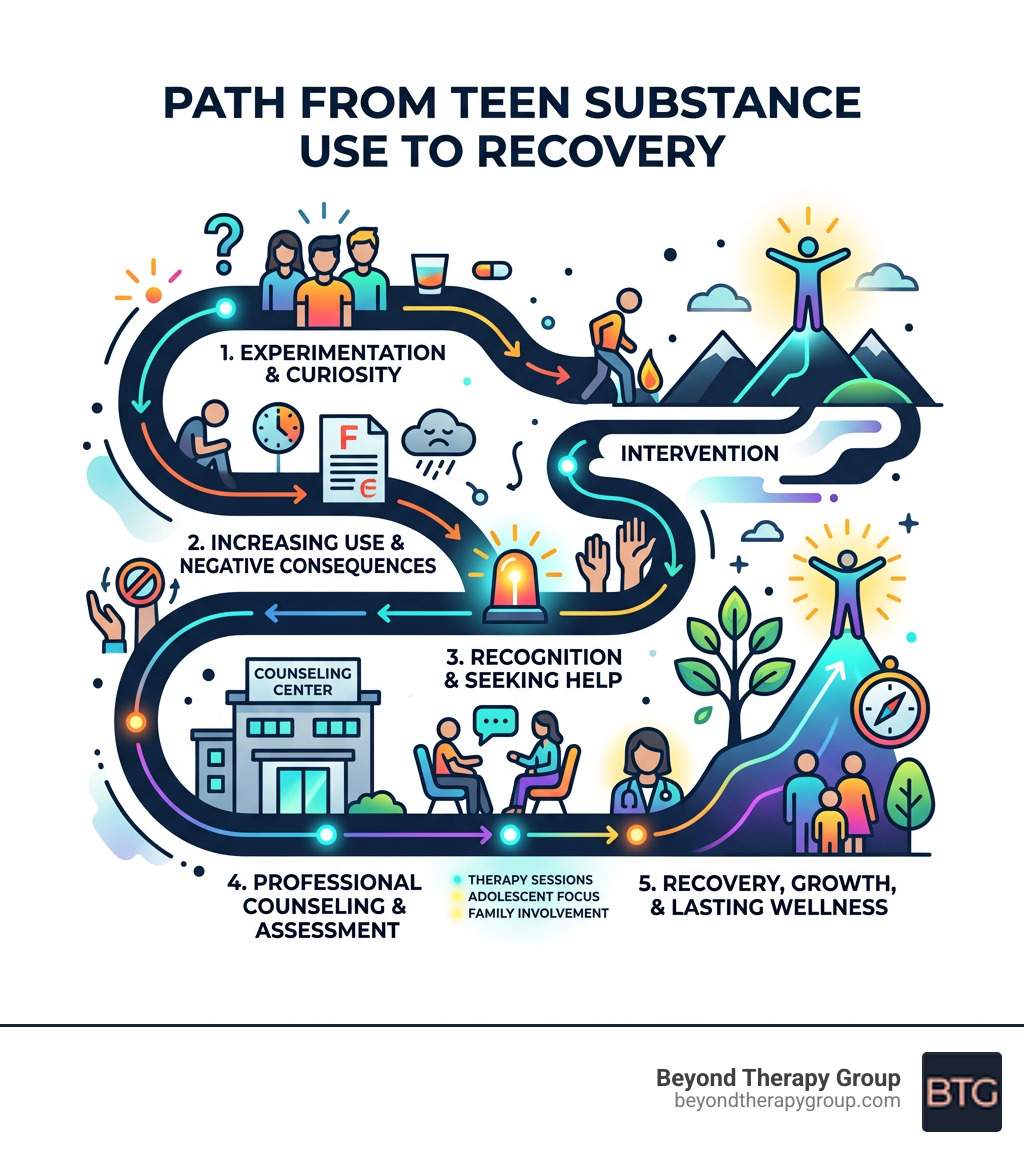
The statistics from 2023 are eye opening. About 8.5 percent of adolescents aged 12 to 17 had a Substance Use Disorder (SUD). That represents 2.2 million young people. Even more concerning is that many of these teens enter the system through crisis. About 63 percent of adolescents in publicly funded treatment facilities were referred by the juvenile justice system. This suggests that we often wait until a legal problem occurs before getting help.
We also know that Early Life Stress and Substance Use Disorders: The Critical Role of Adolescent Substance Use are deeply connected. Teens who experience trauma or high levels of stress are much more likely to turn to substances as a way to cope. By the time they reach their senior year of high school, 70 percent of teens have tried alcohol and 50 percent have tried an illegal drug.
Recognizing the Signs of Substance Use in Adolescents
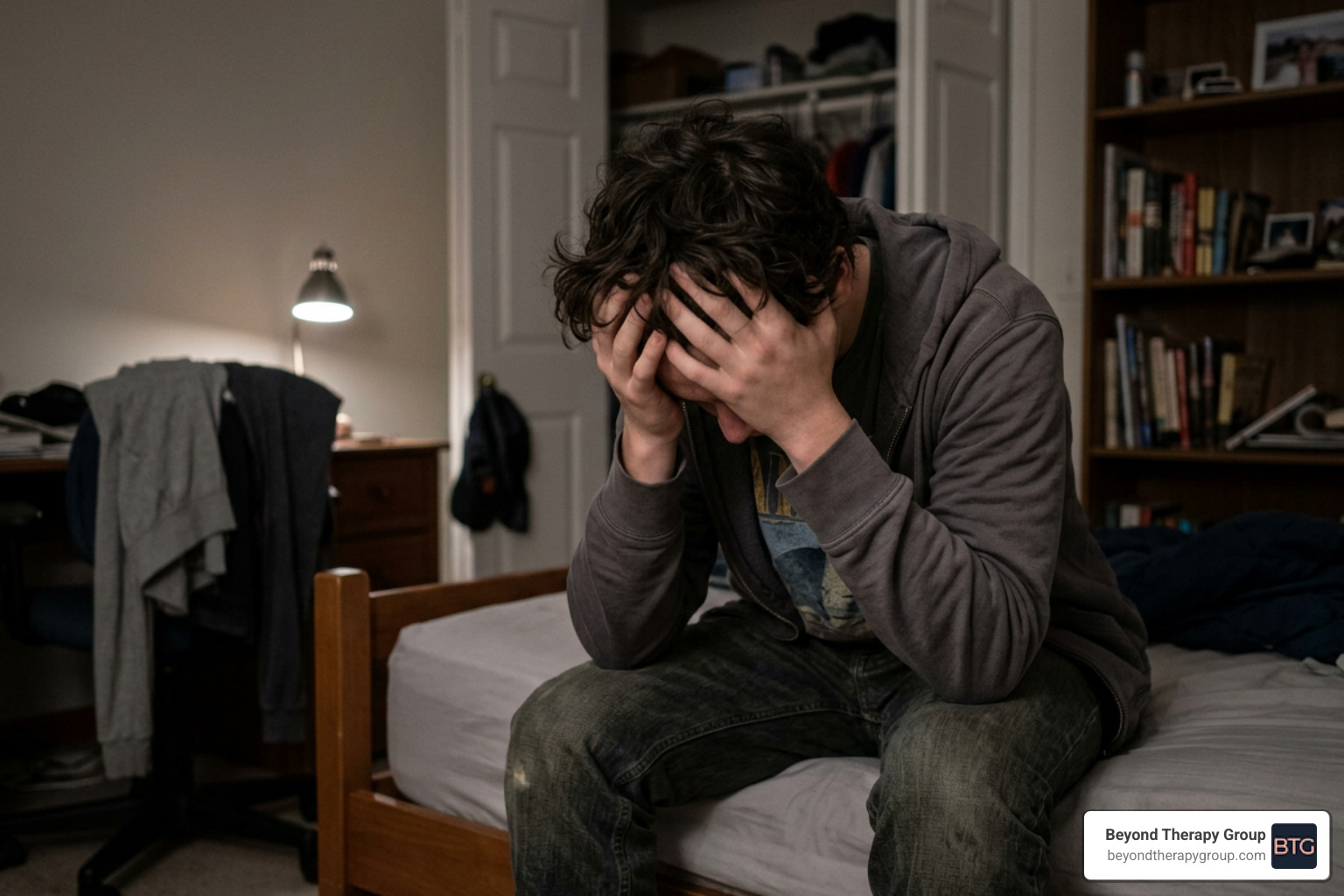
It can be difficult to tell the difference between normal teenage moodiness and a serious substance use problem. However, there are specific patterns we look for in teen substance abuse counseling. One of the most common signs is a sudden shift in personality. A teen who was once outgoing might become withdrawn or hostile.
You might also notice a significant academic decline. If a student who usually gets good grades starts failing classes or skipping school, it is a major red flag. Physical appearance changes are also common. Look for bloodshot eyes, sudden weight loss or gain, and a lack of interest in personal hygiene.
Other warning signs include:
- Strange smells on their breath or clothing
- Extreme mood instability or unexplained outbursts
- A change in their peer group or “secretive” new friends
- Loss of interest in hobbies like sports or music
- Finding drug paraphernalia like pipes, rolling papers, or small plastic bags
If you want to dive deeper into these indicators, you can read our guide on How to Recognize Early Warning Signs of Substance Use in a Loved One. Early detection is one of the most important factors in successful treatment.
Risk Factors and Reasons for Teen Substance Use
Why do teens start using in the first place? According to NIDA, the reasons are often quite simple. They might use substances to fit in with friends, to feel good, or to “feel better” if they are struggling with mental health issues.
Certain risk factors can increase the chances of addiction. These include a lack of parental supervision, a history of substance abuse in the family, or living in an environment where drugs are easily accessible.
We also see a high prevalence of Dual Diagnosis: Substance & Mental Health issues. Many teens use drugs or alcohol to self-medicate for undiagnosed anxiety, depression, or ADHD. In fact, less than one third of adolescents in treatment for substance use receive care for their co-occurring mental health conditions. This is a gap we strive to close in our practice.
Some teens use substances for performance enhancement. They might take prescription stimulants to stay up late studying or use other drugs to manage the pressure of competitive sports. Regardless of the reason, the roots of addiction are often found in trauma or unresolved emotional pain.
Effective Approaches in Teen Substance Abuse Counseling
Treatment for adolescents must be different than treatment for adults. We use evidence-based therapies that are specifically designed for the teenage brain. One of the most effective methods is Cognitive Behavioral Therapy (CBT). This helps teens identify the thoughts and triggers that lead to substance use and teaches them new ways to cope.
Dialectical Behavioral Therapy (DBT) is another powerful tool. It focuses on emotional regulation and distress tolerance. This is especially helpful for teens who use substances to escape intense feelings. Motivational Enhancement Therapy (MET) is also used to help teens find their own internal reasons for wanting to change.
Other effective approaches include:
- Contingency Management: Providing tangible rewards for staying drug free.
- Trauma-Informed Care: Addressing the past experiences that may be driving current behavior.
- Adolescent Community Reinforcement Approach (A-CRA): Building a supportive environment outside of therapy.
We believe that teen substance abuse counseling should be holistic. It is not just about stopping the drug use. It is about building a life that the teen doesn’t feel the need to escape from.
The Role of Family in Teen Substance Abuse Counseling
In our experience, the family is the solution, not the problem. Family involvement is one of the single most important predictors of whether a teen will stay sober. When a teen is struggling, the entire family system is often under stress. The Emotional and Relational Cost of Untreated Addiction can be devastating for parents and siblings.
We use Attachment-Based Family Therapy to help repair the bond between parents and children. This therapy focuses on rebuilding trust and improving communication. If a teen feels safe and supported at home, they are much less likely to turn to substances for comfort.
Multidimensional Family Therapy (MDFT) is another research-backed approach. It looks at the teen’s life from multiple angles, including their school, their friends, and their home life. We also encourage mindful parenting. This helps caregivers stay calm and present even when things are difficult. By changing the way the family interacts, we can create a sustainable foundation for recovery.
Digital and Technology-Based Interventions for Youth
Technology is a huge part of a teenager’s life. About 95 percent of adolescents have access to a smartphone. We are now using that technology to make teen substance abuse counseling more accessible. Telehealth allows teens in the South Bay and Redondo Beach areas to connect with experts from the comfort of their homes.
Innovations in Treatment for Alcohol Use Disorder: From Medications to Digital Therapies have shown that digital tools can reduce the stigma of seeking help. Some programs use text-message interventions to provide support in the moments when a teen is most tempted to use.
Virtual support groups and gamified recovery tools are also becoming more common. These digital strategies can help build self-efficacy and motivation. While they are often used as an addition to traditional therapy, they offer a unique way to keep teens engaged in their recovery journey.
Navigating Levels of Care and Choosing the Right Program
Choosing the right level of care can feel overwhelming. It is important to match the intensity of the treatment to the severity of the problem. Some teens only need weekly outpatient counseling. Others require a much more structured environment.
The first step is often a medical detox if the teen is physically dependent on a substance. This ensures they can withdraw safely under medical supervision. After detox, they might move into a Partial Hospitalization Program (PHP) or an Intensive Outpatient Program (IOP).
When looking for a program, always check for accredited facilities. Accreditation from the Joint Commission ensures that the program meets high standards of safety and care. Research shows that teens who stay in treatment for at least 30 days are 1.5 times more likely to remain in recovery a year later.
Comparison of Care Levels
| Level of Care | Description | Best For |
|---|---|---|
| Outpatient Counseling | 1 to 2 hours per week | Early intervention or stable recovery |
| Intensive Outpatient (IOP) | 9 to 15 hours per week | Teens who can stay in school but need more support |
| Partial Hospitalization (PHP) | 20+ hours per week | Severe cases that require daily clinical supervision |
| Residential Treatment | 24/7 care for 30 to 90 days | High risk of relapse or unsafe home environment |
How Teen Treatment Differs from Adult Programs
Teen treatment is not just a “mini” version of adult rehab. Adolescents have different motivations and developmental needs. For example, teen therapy sessions are often shorter to account for attention spans and energy levels. We also focus heavily on peer pressure and social dynamics.
In teen substance abuse counseling, we must integrate academic support. Teens cannot afford to fall behind in school while they are in treatment. Many programs include dedicated time for schoolwork or have onsite teachers.
Privacy considerations are also different. While parents must give consent for treatment, we work hard to maintain a level of confidentiality that allows the teen to feel safe sharing their experiences. Understanding the Addiction vs. Dependence: Understanding the Difference and Why It Matters is also a key part of the educational process for both the teen and the parent.
Long-Term Recovery and Relapse Prevention Strategies
Completing a treatment program is a huge milestone, but it is just the beginning of the journey. The real work happens in the months and years that follow. Post-Treatment and Aftercare Support for Addicts is essential for preventing a return to use.
We work with families to create a solid aftercare plan. This might include:
- Recovery High Schools: Schools specifically designed for students in recovery.
- Peer Support Groups: Connecting with other teens who are walking the same path.
- Alumni Programs: Staying connected to the treatment community.
- Assertive Continuing Care: Regular check-ins with a counselor to monitor progress.
It is also important to understand What Makes Someone Relapse?. Common triggers for teens include social stress, access to substances, and untreated mental health symptoms. By identifying these triggers early, we can develop a plan to handle them without using drugs or alcohol.
Frequently Asked Questions about Adolescent Recovery
When to Seek Professional Teen Substance Abuse Counseling
You should seek professional help at the first sign of a problem. Do not wait for a “rock bottom” or a legal crisis. If you notice persistent behavioral changes, a drop in grades, or physical symptoms of withdrawal, it is time for an evaluation. A professional assessment can determine if your teen needs a formal program or just a few sessions of individual therapy. Early intervention is always more effective than waiting.
What are the most commonly abused substances among teenagers?
According to the Monitoring the Future Survey, alcohol remains the most commonly used substance among teens. However, marijuana use and vaping have increased significantly. In 2023, 11.3% of people aged 12 to 20 used marijuana in the past month. We are also seeing a rise in the misuse of prescription drugs and the extreme danger of fentanyl-laced pills. Even inhalants remain a risk for younger adolescents.
How can parents effectively intervene during a crisis?
If you suspect your teen is using, the first step is to stay calm. Before confronting a teenager about suspected drug use, we recommend consulting with a qualified counselor. We can help you prepare for the conversation and set clear goals. Use de-escalation techniques and avoid being accusatory. It is helpful to have a rehab plan or a therapy appointment already scheduled so you can offer an immediate solution.
Conclusion
At Beyond Therapy Group, we understand the unique challenges that families in Redondo Beach and the South Bay face when dealing with teen substance use. We believe that every teen deserves a chance to heal and every family deserves a path back to connection.
We offer a holistic approach that treats the whole person, not just the symptoms of addiction. Our team of experts is dedicated to providing tailored consultations that meet your specific needs. If you are ready to take the first step, we offer a free 15-minute consultation with our therapists to help guide your booking and answer any questions you may have.
You do not have to navigate this alone. Whether you are looking for a Substance and Alcohol Therapist or just need some guidance on where to start, we are here to help. Recovery is possible, and it begins with a single conversation. Reach out to us today to learn more about how we can support your teen and your family on the road to wellness.
Recent Posts
- « Previous
- 1
- 2
- 3
- 4
- Next »