
February 4, 2026
How to Recognize Early Warning Signs of Substance Use in a Loved One

Recognizing early warning signs of substance use in a loved one can be challenging but is crucial for timely intervention and support. This article is designed for family members, friends, and caregivers who want to understand what to look for, why early detection matters, and how to respond compassionately and effectively.
Key Takeaways
- Spotting subtle early signs of substance use in 2024 can dramatically improve outcomes because intervention before full addiction develops makes treatment less intensive and more effective.
- Early red flags often appear as small changes in mood, daily routine, and relationships long before there are obvious signs of addiction like intoxication or physical dependence.
- Noticing patterns over several weeks matters more than reacting to a single bad day, argument, or out-of-character moment.
- Compassionate, non-confrontational conversations combined with professional guidance can prevent a mild problem from escalating into a substance use disorder.
- This article walks you through concrete behavioral, physical, financial, and relationship warning signs, plus practical next steps for supporting your loved one.
Overview: Why Early Recognition Matters
Substance use refers to the consumption of alcohol, prescription medications, cannabis, or illegal drugs in ways that may or may not cause harm. When use becomes compulsive and continues despite harmful consequences, it crosses into substance use disorder, a chronic brain condition affecting millions of people in the United States.
Drug addiction, also known as substance use disorder, is a condition that affects both the brain and behavior. It results in a person losing the ability to control their use of legal or illegal drugs or medications. This disorder impacts the body, brain, and behavior in significant ways.
Many individuals start with “just experimenting” or self-medicating for stress before developing serious problems that require professional disorder treatment.
Early warning signs often show up in daily life long before obvious intoxication or withdrawal symptoms appear. You might notice declining performance at work or school, disrupted sleep patterns, or strain in relationships that seems to come out of nowhere. These shifts can be easy to dismiss as stress or a rough patch, but they frequently signal that something deeper is happening.
Early recognition in a spouse, partner, teenager, or parent makes a significant difference. Research indicates that early detection can improve recovery outcomes by up to 50 percent through timely treatment. The earlier families notice patterns, the less intensive intervention typically needs to be for long-term recovery.
This article focuses on recognizing warning signs rather than diagnosing. Only qualified mental health professionals can make a formal diagnosis of drug addiction or related mental disorders. If you feel unsure or conflicted about what you are seeing in a loved one, that reaction is completely normal. It is better to pay attention and ask questions than to ignore concerns that keep coming back.

Understanding Substance Use Versus Addiction
The line between occasional substance use and a developing substance use disorder can seem blurry at first. A social drink at dinner or taking prescription painkillers exactly as directed after surgery represents normal use. But when use patterns shift toward needing substances to cope, function, or feel normal, something more concerning may be developing.
Addiction involves loss of control, persistent cravings, and continued use despite negative consequences. At the core, it changes how the brain processes reward and stress. Early substance use may look like “pushing limits” or self-medication for anxiety, pain, or boredom. The person struggling may not recognize the shift themselves because addiction affects self-awareness.
Here are examples that illustrate the difference:
- Normal use: Having a single glass of wine with dinner once or twice a week
- Early warning pattern: Needing alcohol to relax every evening after work
- Normal use: Taking pain medication as prescribed for two weeks after surgery
- Early warning pattern: Running out of pills early or asking for refills before the prescription ends
- Normal use: Using cannabis occasionally at social gatherings in legal states
- Early warning pattern: Using daily alone to manage stress or fall asleep
Family members usually notice patterns of change over one to three months rather than a single dramatic episode at the beginning. Focus on frequency, intensity, and impact on daily life rather than on whether a particular substance is legal or illegal.
Behavioral and Personality Changes You May Notice First
Behavioral changes and personality shifts are often the earliest and easiest signs of substance use for family and friends to see. These changes emerge because substances alter brain chemistry, affecting mood, motivation, and impulse control even before physical dependence develops.
Common early behavioral changes include:
- Sudden irritability or unexplained anger that seems disproportionate to situations
- Obvious risk-taking or uncharacteristic rule-breaking at home, school, or work
- Increased defensiveness when asked simple questions about activities or whereabouts
- Neglecting responsibilities like missing deadlines, frequent lateness, or incomplete tasks
- Loss of interest in hobbies, sports, or activities that previously brought joy
Subtle personality shifts may also appear. Someone who was outgoing might become unusually withdrawn. A person who loved family dinners might start skipping them without explanation. Apathy about things that used to matter signals that emotional well being may be compromised.
These behavioral signs typically develop progressively over weeks. You might notice more missed deadlines one month, followed by slipping grades by the next grading period, followed by arguments about responsibilities. The pattern matters more than any single incident.
Keep in mind that some of these shifts can also be caused by stress, depression, or anxiety. Mental health disorders can produce similar symptoms. Look for clusters of several factors rather than reacting to a single symptom in isolation.
Summary: Most Common Early Warning Signs
For quick reference, here are the most common early warning signs of substance use in a loved one:
- Sudden changes in behavior or personality
- Visible physical symptoms
- Secrecy, lying, or social withdrawal
- Financial strain or unexplained expenses
- Resistance to help or denial
- Changes in peer groups
- Mood swings and emotional volatility
- Neglecting responsibilities
Physical Warning Signs Across Different Substances
Physical signs can vary by drug type, amount, and how long the person has been using. However, some general patterns are common across different substances and can help you recognize when something has changed.
General early physical indicators include:
- Frequent unexplained fatigue that does not improve with rest
- Repeated headaches or minor injuries without clear causes
- Unexplained weight change over a few months, either gain or loss
- Decline in personal hygiene, such as showering less, wearing dirty clothes, or neglecting grooming
- Changes in appetite that do not match normal patterns
More noticeable physical symptoms include:
- Bloodshot or glassy eyes
- Unusual pupil size, either very small or very dilated
- Tremors or shakiness in the hands
- Frequent nosebleeds, especially with stimulant use
- Persistent cough that does not match seasonal illness
- Poor coordination or unsteady movements
- Slurred speech during conversations
Sleep pattern changes deserve special attention. Staying awake most of the night, sleeping through important commitments, or taking long, unexplained naps can all indicate substance involvement. Different substances affect sleep in different ways, but disruption is common across categories.
Any sudden or severe physical health problems, especially trouble breathing, chest pain, seizures, or involuntary eye movements, should prompt immediate medical attention. These may indicate overdose or dangerous interactions between substances.

Secrecy, Lying, and Changes in Daily Routine
Increased secrecy is one of the most consistent early signs across alcohol, prescription medications, and illicit drugs. When someone begins hiding their use, they often develop protective behaviors that family members notice before seeing actual substance use.
Practical examples of increased secrecy include:
- Locking bedroom or bathroom doors more often than before
- Guarding a phone or laptop, quickly switching screens when someone approaches
- Deleting messages or clearing browser history regularly
- Stepping outside for frequent unexplained calls or disappearing for periods
- Keeping bags, backpacks, or drawers off limits to others
Changes in routine often accompany secrecy:
- Coming home later without clear reasons or explanations
- Vague answers about where they have been or who they were with
- Sudden new “friends” that the family never meets or hears about
- Unexplained absences during family events or gatherings
- Spending unusual amounts of time in the garage, basement, or car
Small but repeated lies represent another red flag. These might involve how much they drank, where the money went, or why they missed an appointment. The lies tend to accumulate and contradict each other over time.
Frame these behaviors as protective strategies fueled by fear and shame rather than moral failings. The person may feel trapped and scared about what is happening. Respond with curiosity instead of accusation when possible.
Financial and Work or School Red Flags
Worsening substance use often creates financial strain and performance issues even before physical health problems become obvious. Substances cost money, and maintaining use while hiding it takes time and energy away from other responsibilities.
Clear financial warning signs include:
- Missing cash from wallets, purses, or household locations
- Frequent requests for loans from family or friends
- Unpaid bills are piling up despite previously reliable payment habits
- Selling personal items like electronics, jewelry, or tools without a good reason
- Unexplained credit card charges or ATM withdrawals
Work-related shifts may appear as:
- Being late for shifts repeatedly
- Calling in sick on Mondays or after weekends
- Performance warnings from supervisors
- Declining productivity over one or two quarters
- Avoiding work social events or meetings
For adolescents, school-based examples include:
- Sudden drops in grades after a previously stable academic record
- Skipped classes without valid excuses
- Detentions or disciplinary notes are increasing
- Loss of interest in extracurricular activities or sports
Economic hardship or burnout can also cause these signs, so context matters. However, when financial issues, work problems, and other warning signs appear together, the chances that substance use is involved increase significantly. Research suggests that clustered symptoms increase diagnostic specificity to approximately 85%.
Relationship Strain and Social Changes
Substance use often changes how a person relates to partners, parents, children, and friends. Relationships require emotional presence, and substances interfere with the brain’s capacity for connection and empathy over time.
Early relational signs of substance abuse include:
- Escalating arguments about trust, honesty, or reliability
- More frequent broken promises, such as missing events they committed to attend
- Canceling long-standing plans at the last minute with weak excuses
- Defensive reactions when family members express concern
- Blaming others for problems rather than taking responsibility
Social pattern changes also emerge:
- Abandoning old friend groups who do not use substances
- Suddenly spending time with new peers who drink or use heavily
- Avoiding family gatherings entirely or leaving early
- Prioritizing activities where substances are available over other plans
Emotional distance deserves attention as well. You might notice less eye contact, minimal conversation, or a “checked out” presence at home, even when the person is physically there. They may seem disinterested in family life or unable to engage meaningfully.
These signs represent chances to open honest dialogue about stress, coping, and possible substance use rather than evidence for blame. Approaching with concern rather than accusation creates space for the person to share their experience.
Substance Specific Early Signs to Watch For
Different substances have distinct early footprints that families can learn to recognize. You do not need to be an expert to notice patterns that suggest a particular type of drug use. The following signs and symptoms can help guide your observations.
Remember that some people use more than one substance at a time, which can blur or mix symptoms. Legal status does not predict risk, so alcohol use disorder, cannabis problems, and prescription medication misuse should be taken as seriously as use of illicit drugs when warning signs emerge.
Alcohol
Alcohol is widely available and socially accepted, which can make early problem use harder to see. Someone may drink openly without raising concerns until patterns shift toward dependence.
Early warning signs of alcohol abuse include:
- Routinely drinking more than planned or intended
- Needing alcohol to relax after ordinary days, not just special occasions
- Choosing events, restaurants, or activities based on alcohol availability
- Drinking alone in secret or hiding bottles around the house
- Minimizing the amount consumed when asked
Outward physical signs include:
- Smell of alcohol on breath in the morning or during work hours
- Frequent “hangovers” on workdays affect performance
- Minor memory loss or blackouts after evenings out
- Flushed skin or broken capillaries on the face over time
Subtle tolerance increases also matter. If someone now needs several drinks to feel the same effect that one or two drinks used to provide, their brain is adapting to repeated use.
Cannabis and Other Cannabis Products
Cannabis use now includes smoking, vaping, and edible products. Potency has increased significantly compared to earlier decades, and products containing THC concentrates carry higher risks for developing problems.
Early physical signs include:
- Bloodshot eyes shortly after returning from time alone
- Strong herbal or sweet odors on clothing, in rooms, or in cars
- Increased appetite, often called “the munchies,” shortly after disappearing
Behavioral changes may appear as:
- Slowed reaction time and responses
- Giggling or appearing “spaced out” during conversations
- Trouble tracking conversations or following complex instructions
- Forgetfulness about recent events or commitments
Paraphernalia family might include vape pens, rolling papers, grinders, or small plastic containers with residue. Finding these items in bedrooms, backpacks, or cars suggests regular use.
Frequent daily use, especially in adolescents, can affect motivation, school performance, and mental health even when users claim it is harmless. The developing brain is particularly vulnerable to repeated use in early childhood.
Prescription Medications Including Opioids and Sedatives
Early problems with prescription medications often start with legitimate prescriptions for pain, anxiety, or sleep that gradually shift into misuse. The line between following medical instructions and developing dependence can blur quickly.
Warning patterns include:
- Going through pills faster than prescribed
- “Losing” medications repeatedly and needing replacements
- Visiting multiple doctors to obtain refills, sometimes called doctor shopping
- Taking medications in ways other than prescribed, such as crushing pills
- Continuing to use after the original condition has healed
Early opioid signs include:
- Unusual drowsiness or nodding off during conversations
- Pinpoint pupils that do not respond normally to light
- Slowed speech and reactions
- Constipation complaints
- Flu-like withdrawal symptoms when the drug wears off
Sedative or benzodiazepine signs include:
- Unsteady walking or poor coordination
- Slurred speech similar to alcohol intoxication
- Confusion and difficulty remembering what was said
- Memory loss about conversations or events
Tracking pill counts and refill dates can help families recognize when use is no longer following medical instructions. Discrepancies between what should remain and what actually remains raise concerns.
Stimulants Such as Cocaine, Methamphetamine, and Misused ADHD Medications
Stimulant drugs can be illicit or prescribed. They are often used initially for energy, focus, or weight loss, before use escalates out of control. Club drugs and other drugs in party settings frequently fall into this category.
Early signs include:
- Periods of unusually high energy lasting hours
- Fast, pressured talking that seems hard to interrupt
- Intense focus on tasks, sometimes to the point of obsession
- Decreased appetite during late nights or weekends
- Difficulty sleeping even when exhausted
Physical indicators include:
- Dilated pupils
- Jaw clenching and teeth grinding, which over time can cause tooth decay and gum disease, sometimes called “meth mouth” with methamphetamine use
- Repetitive movements that seem purposeless, like picking at skin
Paraphernalia may include small baggies, rolled bills, straws, or razors. Among students, an unusual interest in “study drugs” like Adderall obtained without a prescription signals risk.
The crash that follows stimulant use deserves attention. Long sleep stretches, irritability, or very low mood after a burst of high activity suggest the person is cycling through use and recovery.
Opioids Such as Heroin and Illicit Fentanyl
The continuing opioid crisis in North America means that illicit fentanyl is now present in many street drugs, dramatically increasing overdose risk. Severe substance use involving opioids carries life-threatening consequences that demand prompt intervention.
Early behavioral signs include:
- Disappearing for periods without explanation
- Neglecting personal commitments and responsibilities
- Excessive concern about having enough money for an unspecified “need”
- Spending time with new people family does not know
Physical signs include:
- Very small, pinpoint pupils
- Slowed breathing
- Itching, especially on the face or nose
- Nodding off while sitting up
- Track marks, if injected, though some people hide injection sites on legs, feet, or other areas
Signs of early withdrawal symptoms include flu-like symptoms, sweating, goosebumps, yawning, and anxiety when the person has not used recently. These can appear within hours of last use with short-acting opioids.
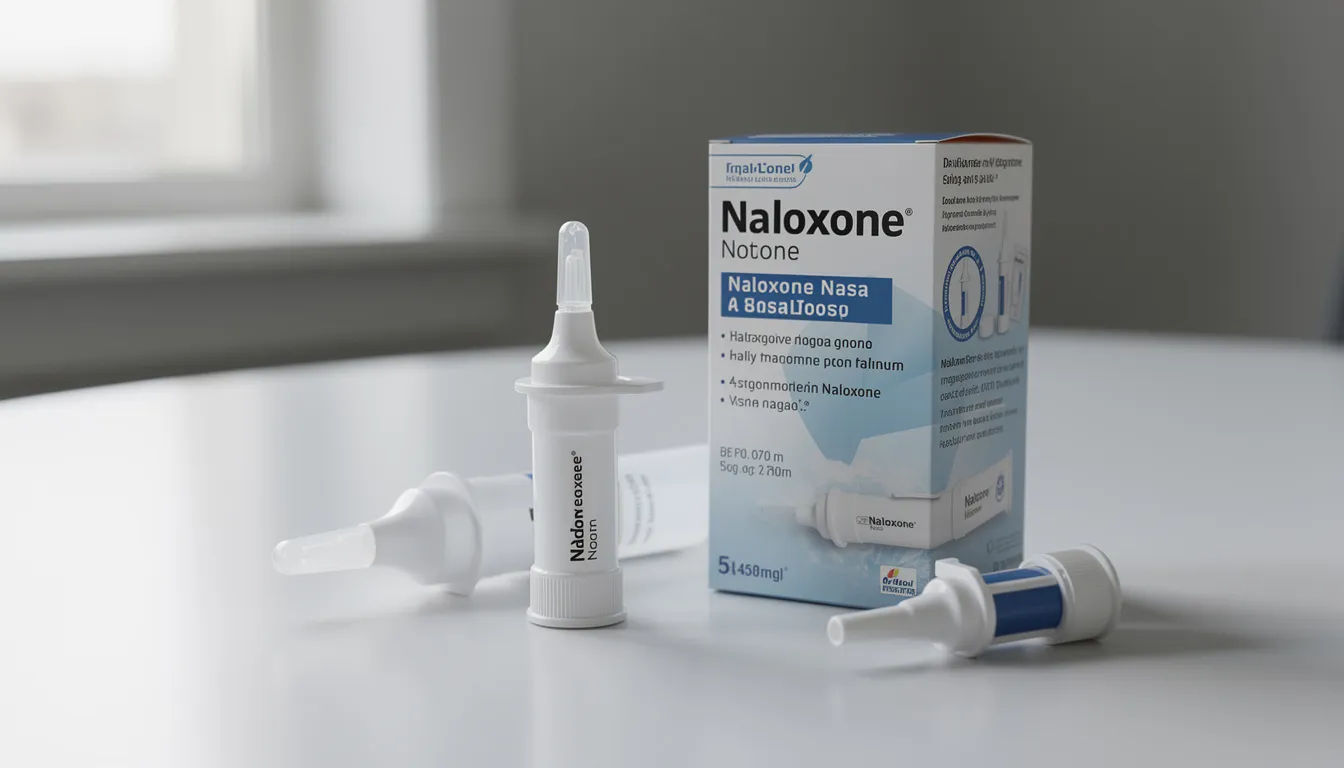
Suspected opioid abuse, especially with fentanyl present, represents a medical emergency risk. Families should consider obtaining naloxone where legal and available, learning how to use it, and keeping it accessible.
What To Do If You Notice These Early Signs
Feeling scared, angry, or unsure when you notice signs of substance use in a loved one is completely normal. Taking thoughtful action is more helpful than ignoring the problem and hoping it resolves on its own.
Steps for preparing a conversation:
- Choose a calm time. Avoid bringing up concerns when the person is intoxicated, in a hurry, or already upset about something else.
- Plan specific examples. Write down concrete observations rather than general accusations. For example, “I noticed you missed three family dinners this month” is more effective than “You never spend time with us anymore.”
- Coordinate with family. Agree among family members not to attack or shame the person. A unified, caring approach prevents the individual from suffering from feeling ganged up on.
When you talk, use “I” statements expressing concern about behaviors and their impact rather than labeling your loved one as an addict or failure:
- “I feel worried when I see you falling asleep during conversations.”
- “I noticed money missing from my wallet twice this week, and I am concerned.”
- “I care about you and want to understand what is happening.”
Listen closely to what the person says about stress, pain, or mental functioning concerns that might underlie the substance use. Many people use substances to cope with untreated mental illness, trauma, or chronic pain. Understanding the “why” helps identify appropriate treatment options.
Follow up the conversation with concrete options:
- Schedule an appointment with a primary care doctor within the next week
- Research therapists or counselors who specialize in substance use
- Contact a local addiction specialist for a confidential assessment
- Look into support groups for both the person using and for family support
Having a treatment plan and specific next steps makes it easier for someone to accept help rather than feeling overwhelmed by vague suggestions.
When to Seek Professional or Emergency Help
Understanding the difference between situations that call for planned professional support and those requiring immediate emergency services helps you respond appropriately.
Non-emergency situations that still need professional help:
- Repeated failed attempts to cut back or quit
- Blackouts or memory loss from substance use
- Using before driving or operating machinery
- Combining substances with prescription medications in dangerous ways
- Declining mental health despite trying to stop
- Co-occurring disorders like depression and substance use appear together
- Several factors combine to interfere with work, school, and family life
Clear emergency warning signs requiring immediate action:
- Trouble breathing or very slow breathing
- Chest pain
- Seizures
- Blue lips, fingers, or skin
- Unresponsiveness or inability to wake the person
- Suspected overdose from opioids, alcohol, or other drugs
Call local emergency numbers immediately in life-threatening situations. Do not wait to see if the person “sleeps it off.” With opioids, especially, minutes matter.
National crisis resources provide immediate guidance when you are unsure what to do. The Substance Abuse and Mental Health Services Administration operates a helpline that connects callers with local treatment and support. Family support services can also guide you on recognizing these signs and how to respond.
Taking Care of Yourself While You Support a Loved One
Worrying about a loved one’s substance use can be exhausting and emotionally draining. Many family members focus so intensely on helping that they neglect their own mental health and physical health in the process.
Seek your own support through:
- Trusted friends who can listen without judgment
- Individual counseling or group therapy focused on family members affected by addiction
- Support groups like Al-Anon or Nar Anon designed specifically for people with loved ones struggling with substance use
- Online communities where you can connect with others facing similar challenges
Healthy boundaries protect both you and your loved one:
- Do not cover up the legal or work consequences of their use
- Avoid providing money that may support continued substance use
- Protect children from unsafe behavior at home
- Refuse to lie for them to employers, schools, or other family members
Self-care practices help preserve your resilience during a difficult time:
- Maintain your sleep routines even when the situation feels chaotic
- Continue physical activity, even if just short walks
- Keep engaging with personal hobbies and interests
- Connect with your own support network regularly
Family members cannot control another person’s choices. You cannot force recovery, and you are not responsible for their decision to use or not use. What you can control is how you respond, and that response can strongly influence the path to long-term recovery. Your concern, combined with clear boundaries and professional guidance, creates the best environment for change.

Frequently Asked Questions
How long should I wait before bringing up my concerns?
If there is no immediate safety risk, monitoring consistent patterns over two to four weeks can help you distinguish a rough patch from emerging substance use problems. This timeframe allows you to gather specific examples and notice whether behaviors persist or escalate. However, if the person drives intoxicated, mixes pills with alcohol, shows overdose signs, or engages in dangerous behavior, act and seek help immediately without waiting for more evidence.
Can early substance use warning signs just be normal teenage behavior?
Some moodiness, desire for privacy, and shifting friendships are typical in adolescence. However, substance concerns grow when there are significant changes in grades, honesty, physical health, or safety. Environmental factors and family history also influence risk. Parents should look for clusters of issues such as declining school performance, secretive behavior, and physical signs rather than judging based on one conflict or one bad week. If multiple warning signs appear together, it warrants a conversation.
What if my loved one insists everything is fine and I am overreacting?
Denial is common among people with developing substance problems because addiction affects self-awareness. Calmly restate the specific behaviors you have observed rather than arguing about labels like “addict” or “alcoholic.” Offer to revisit the conversation at an agreed time, perhaps in a week. If disagreements continue and your concerns remain, involve a neutral mental health professional, such as a family doctor, school counselor, or therapist, who can provide an objective assessment.
Is it possible to support a loved one without enabling their substance use?
Yes. Enabling means doing things that reduce the natural negative consequences of substance use, such as paying repeated fines, lying to employers, or making excuses for missed obligations. Healthy support looks different: offering a ride to treatment, attending family therapy, expressing care and concern, maintaining your own boundaries, and refusing to fund or cover up harmful behaviors. You can love someone and still allow them to experience the consequences that often motivate change.
Should I share my concerns with other family members right away?
Before deciding whom to involve, consider safety, the age of any children in the home, and the level of risk. A higher risk situation involving dangerous drug use or co-occurring mental health disorders may require immediate coordination with other adults. In less urgent situations, coordinate with at least one trusted adult family member to plan next steps. This ensures that messages to your loved one are consistent and supportive rather than confused or conflicting. A unified approach reduces the likelihood that the person will play family members against one another.
Recent Posts