October 31, 2026
A Comprehensive Guide to Substance Abuse Therapy Options

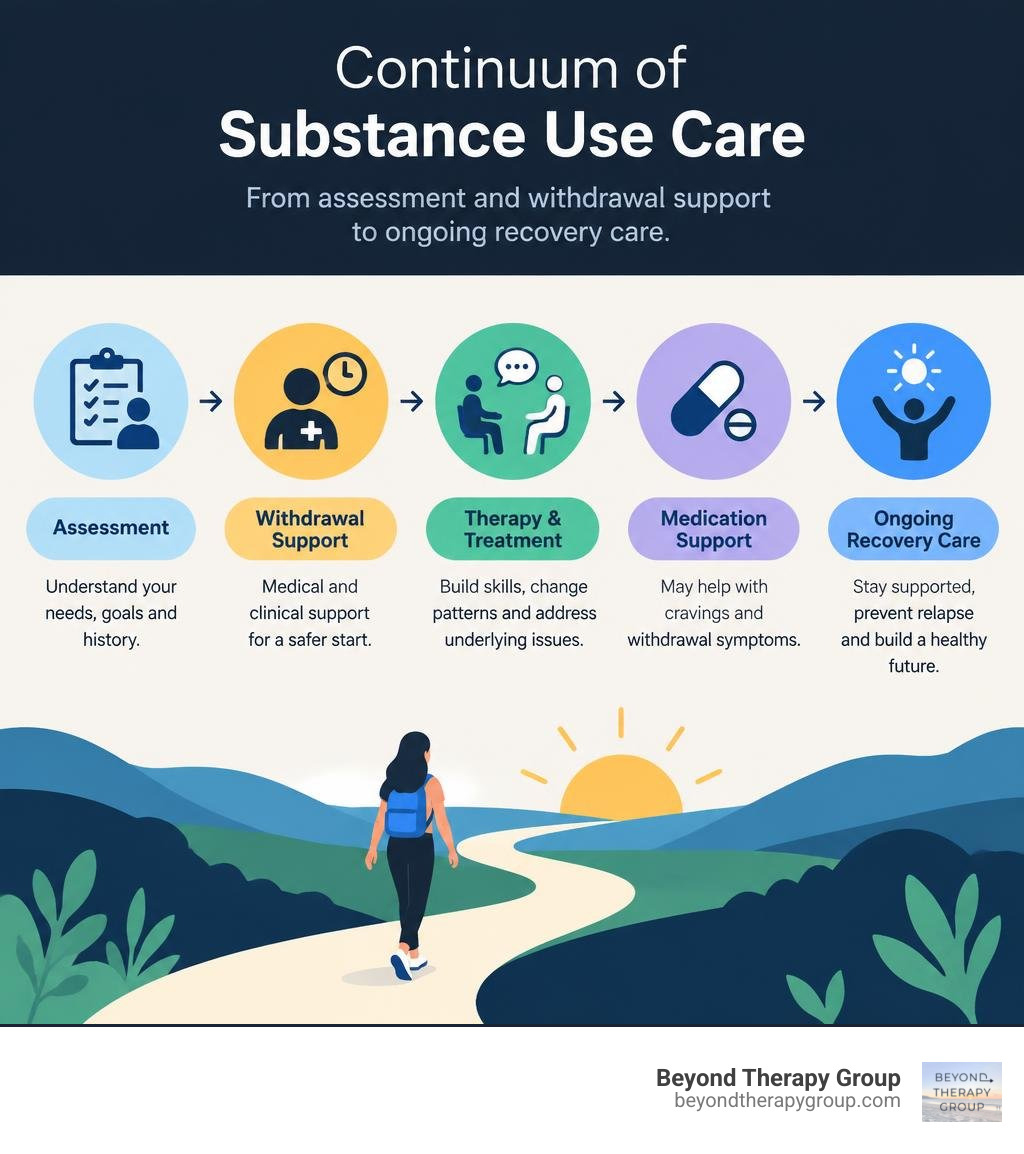
Substance Abuse Therapy: Finding the Right Starting Point
- Substance abuse therapy helps people change patterns of drug or alcohol use. Options include cognitive behavioral therapy, motivational interviewing, and support for family relationships.
- The right care depends on your needs. A clinician can help you choose an approach based on what you use, your health, your goals, and the support you have at home.
A substance use disorder is a treatable health condition, not a failure of willpower. Care might begin with outpatient visits or require medical help with withdrawal. Medication can also be an important part of treatment for alcohol or opioid use disorder. You do not need to know which option fits before asking for help.
Core Evidence-Based Modalities in Substance Abuse Therapy
Navigating the landscape of addiction recovery can feel overwhelming. Clinical research continuously demonstrates that successful treatment relies on structured methods designed to understand how the brain and behavior interact. In the mental health field, we view addiction as a complex, treatable medical condition rather than a moral failing.
Clinicians evaluate symptoms using established diagnostic criteria, examining physical dependence, tolerance, loss of control, and how substance use impacts everyday life. Recognizing that addiction is more than willpower allows individuals to approach healing with self-compassion. It is equally important to understand the biological foundations by distinguishing addiction vs dependence.
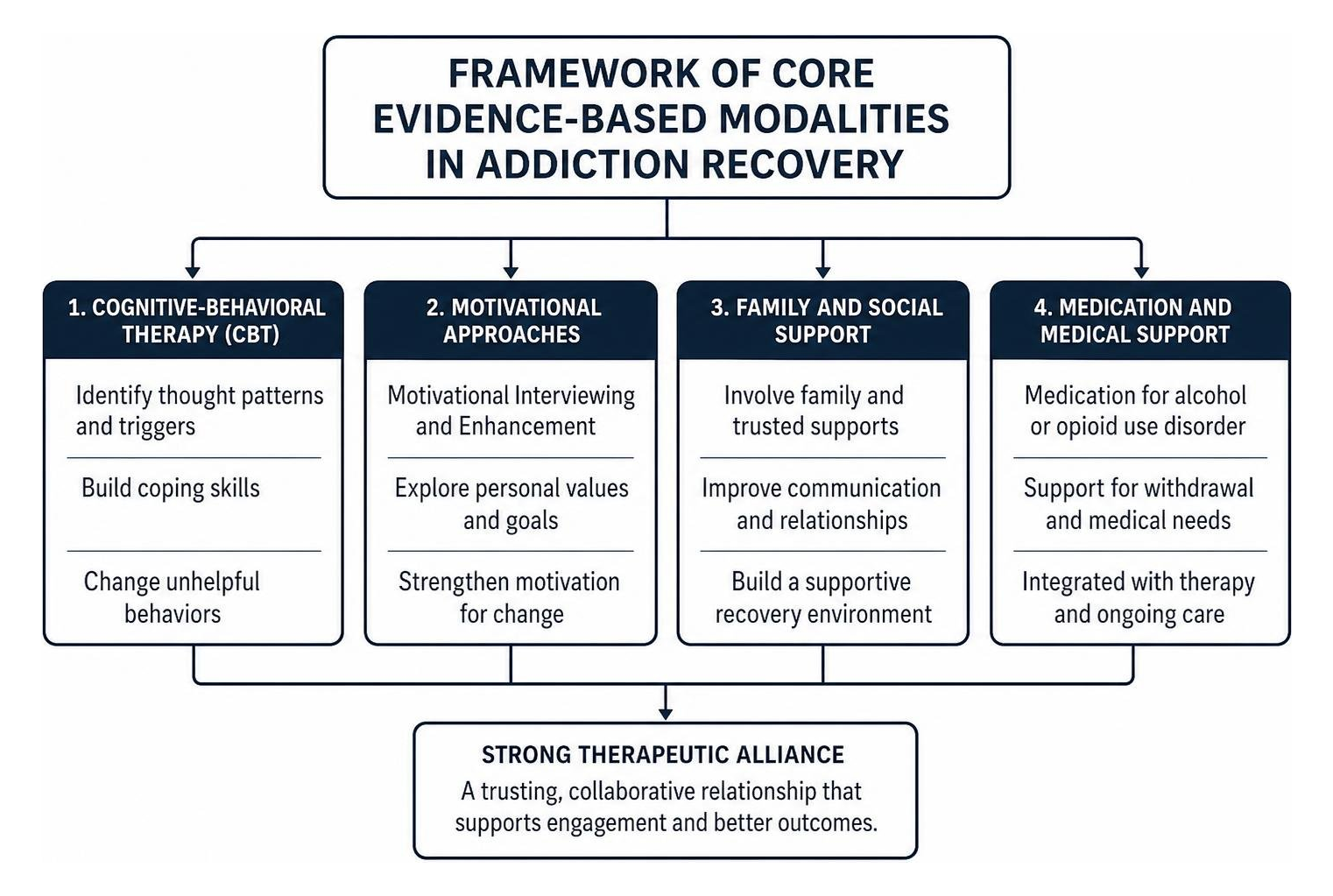
According to evidence-based addiction treatment research, the strength of the therapeutic alliance is one of the single most reliable predictors of positive clinical outcomes. When you build a trusting, collaborative relationship with a clinician, you create a secure foundation to address the root drivers of substance use.
Cognitive-Behavioral and Motivational Substance Abuse Therapy Approaches
Cognitive-Behavioral Therapy helps individuals identify and transform negative thought loops, emotional triggers, and unhelpful behavioral cycles. Through cognitive restructuring, you learn to dismantle automatic thoughts that lead to substance use and replace them with constructive coping mechanisms. Exploring how ACT therapy supports sobriety also allows people to embrace psychological flexibility, accepting challenging emotions while committing to actions that align with personal values.
Alongside cognitive work, Motivational Interviewing and Motivational Enhancement Therapy meet you wherever you are on your path to change. Instead of imposing external demands, these collaborative conversations resolve ambivalence, helping you uncover your own reasons to pursue wellness.
Clinicians also utilize Contingency Management, an evidence-based approach that applies tangible positive reinforcement for meeting treatment milestones. This positive reward structure provides immediate incentives that reinforce healthy choices, proving exceptionally helpful for stimulant and alcohol use disorders. Clients also practice mindfulness techniques like managing cravings like passing clouds, observing urges without feeling compelled to act on them.
Relational Dynamics and Behavioral Couples Therapy
Substance use rarely occurs in a vacuum. It profoundly affects family systems, romantic partnerships, and interpersonal communication. Behavioral Couples Therapy is designed for individuals in committed relationships who want to address substance use alongside their partner (Fals-Stewart et al., 2004).
Studies demonstrate that individuals participating in Behavioral Couples Therapy experience greater reductions in substance use than those receiving solely individual counseling. This modality focuses on:
- Building daily recovery contracts and mutual support habits
- Enhancing dyadic adjustment and emotional intimacy
- Learning de-escalation strategies to significantly lower the risk of intimate partner conflict
- Improving emotional stability and psychosocial adjustment for children in the home
Early intervention makes a substantial difference for families. Learning techniques for recognizing early warning signs of substance use empowers loved ones to offer proactive support before patterns escalate.
Integrating Medication-Assisted Treatment with Behavioral Care
Medication-Assisted Treatment integrates FDA-approved medications with counseling to support the whole person. Combining medication with behavioral interventions produces the highest recovery success rates in modern clinical care.
When medications such as buprenorphine, methadone, or naltrexone for opioid use, or acamprosate and disulfiram for alcohol use, are combined with behavioral therapy, treatment success increases by 50 to 70 percent. In fact, research shows this dual approach is two to three times more successful than using either medication or therapy alone.
As highlighted in federal options for substance use disorder treatment, medications stabilize brain chemistry, reduce physical cravings, and block the euphoric effects of substances. This physiological stability gives you the mental clarity needed to engage deeply in therapy. You can also explore recent innovations in medications and digital therapies that expand access through remote monitoring tools and telehealth support.
Individual Settings and Complementary Modalities
Individual sessions offer private, dedicated time to process personal history, work through trauma, and customize recovery strategies. In one-on-one therapy, you have complete confidentiality to explore sensitive topics at your own pace while addressing specific mental health concerns.
Consulting resources detailing the spectrum of substance use treatment supports demonstrates the value of multifaceted recovery plans. Discovering why recovery extends beyond 12-step programs helps you tailor a comprehensive treatment plan that suits your unique personality and life circumstances.
| Clinical Criterion | Individual Therapy |
|---|---|
| Primary Focus | Personalized exploration of underlying trauma, triggers, and co-occurring conditions |
| Pacing | Flexible, customized to your unique readiness and personal goals |
| Privacy Level | Complete one-on-one confidentiality |
| Interpersonal Focus | Deep exploration of internal belief systems and specific relationship patterns |
Personalized Formats and Matching Clients to Substance Abuse Therapy
Matching each person to the appropriate clinical modality depends on their stage of change, internal motivation, and personal needs. Therapeutic interventions generally fall into several distinct structures:
- Psychoeducational Interventions: Focus on teaching the biology of addiction, brain chemistry, and the mechanisms of physical dependence.
- Skills Development Sessions: Provide hands-on training in stress management, refusal skills, assertive communication, and emotional regulation.
- Interpersonal and Process-Focused Therapy: Explores family dynamics, attachment styles, and relationship conflicts that influence emotional health.
Starting with structured sobriety through alcohol recovery counseling ensures that your clinical plan matches your current level of readiness and life commitments.
Holistic and Experiential Interventions
Complementary modalities enhance traditional counseling by engaging the mind and body together. These expressive practices support emotional processing, reduce nervous system reactivity, and help rebuild self-esteem:
- Mindfulness-Based Relapse Prevention: Cultivates present-moment awareness, helping you recognize physical tension and cravings before they trigger automatic behaviors.
- Equine-Assisted Therapy: Working alongside horses provides non-judgmental feedback, fostering emotional regulation, boundary setting, and trust.
- Art and Expressive Therapies: Provides creative avenues to express complex emotions, trauma, and hopes that may be difficult to put into words.
- Somatic Grounding and Breathwork: Calms an overactive nervous system, helping you manage stress without turning to substances.
Navigating Care Levels and Dual Diagnosis Needs
Addiction recovery encompasses a full spectrum of care designed to support you at every stage:
- Medical Detoxification: Provides 24-hour medical supervision to safely manage acute withdrawal symptoms.
- Inpatient and Residential Care: Offers immersive, round-the-clock clinical care and structured daily schedules in a supportive living facility.
- Partial Hospitalization Programs: Features intensive clinical sessions during the day while allowing you to return home in the evenings.
- Intensive Outpatient Programs: Delivers structured sessions multiple days per week to support ongoing recovery alongside work or family life.
- Standard Outpatient Therapy: Offers regular weekly or biweekly one-on-one sessions focused on sustained wellness and relapse prevention.
Understanding how an outpatient alcohol treatment structure works allows you to balance everyday responsibilities while receiving high-level clinical guidance.
Nearly half of all individuals navigating substance use disorders also experience co-occurring mental health conditions such as anxiety, depression, bipolar disorder, or post-traumatic stress. Effectively managing dual diagnosis and co-occurring conditions requires an integrated approach where mental health challenges and substance use are treated concurrently. Aligning your recovery plan with evidence-based public health treatment standards ensures consistent, high-quality care.
Relapse Prevention and Sustainable Aftercare
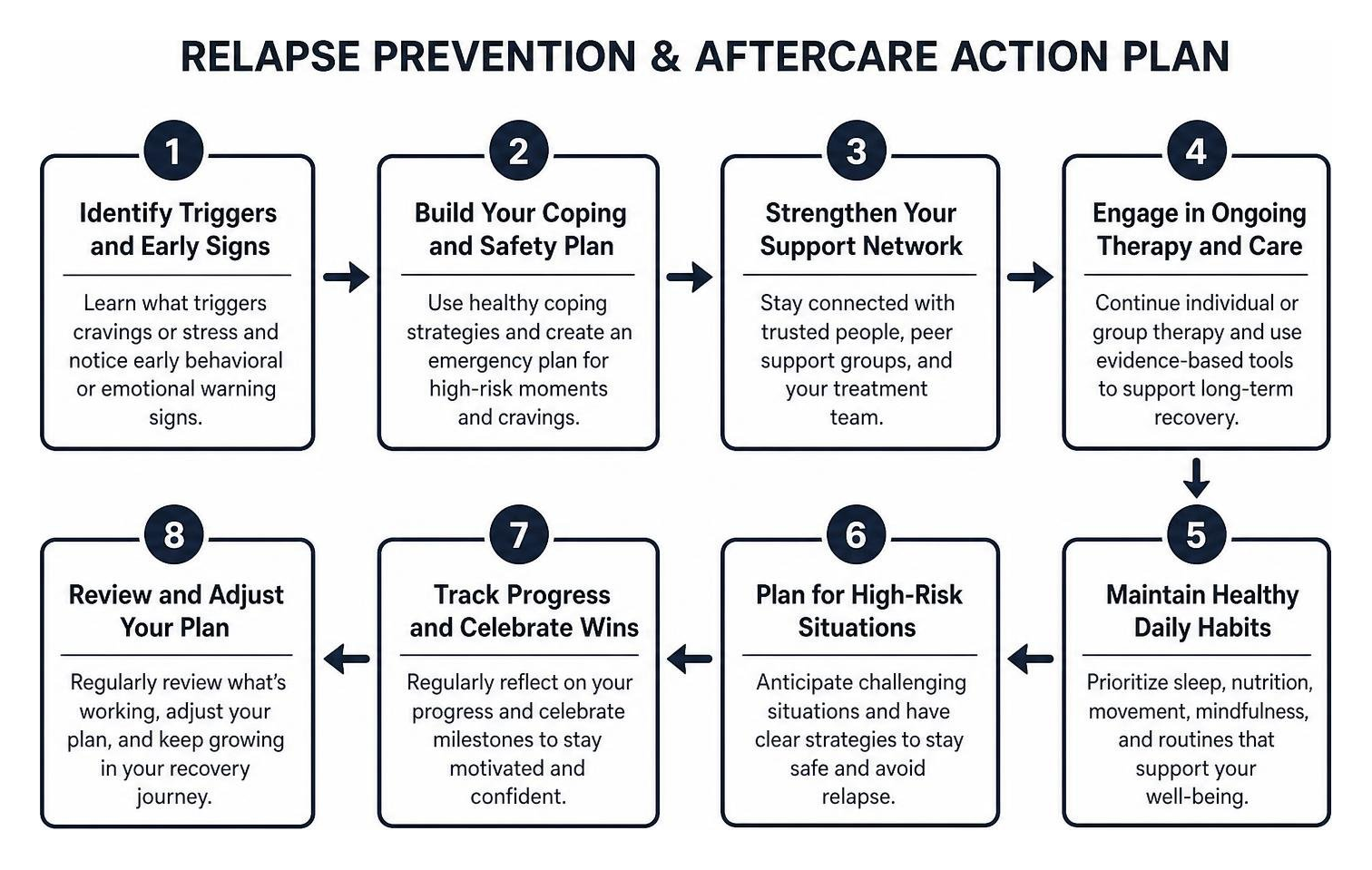
Recovery is a continuous journey of growth and adaptation. Relapse is not a personal failure, but rather a sign that your coping plan needs adjustment. Sustainable care plans focus on identifying personal triggers, creating emergency support strategies, and establishing ongoing accountability.
Learning more about identifying what makes someone relapse helps you spot early behavioral shifts and emotional distress before use occurs. Establishing robust post-treatment and aftercare support systems provides the long-term structure necessary to maintain lasting wellness.
How to Choose the Right Therapist and Access Care
Selecting the right professional is essential for your recovery journey. Look for licensed mental health clinicians, such as licensed marriage and family therapists, clinical social workers, or professional counselors, who possess specialized training in addiction.
When evaluating evidence-based alcohol care options, consider using the 10-question evaluation checklist recommended by public health leaders. Tools like the alcohol treatment navigator can also help you review credentials and clinical approaches. For those seeking local resources, our guide on finding local alcohol counseling without stress outlines practical steps to connect with licensed professionals in South Bay and Redondo Beach.
- What specialized training do you have in treating substance use and co-occurring conditions?
- Which evidence-based therapy methods do you use during sessions?
- How do you integrate medication support if it is clinically indicated?
- How do you track progress and tailor treatment goals over time?
Frequently Asked Questions About Substance Abuse Therapy
What is the most effective therapy for substance use disorders?
Clinical studies show that multimodal treatment plans combining cognitive behavioral therapy, motivational interviewing, and Medication-Assisted Treatment provide the highest long-term success rates. The most effective approach is always tailored to your specific substance, mental health history, and personal life goals.
How do I know if individual therapy fits my needs?
Individual therapy is ideal if you value complete confidentiality, need to address deep-seated personal trauma, or prefer a flexible schedule tailored to your personal pacing. It allows your clinician to focus entirely on your unique challenges and mental health needs.
Where can I find immediate, confidential treatment support?
You can access free, confidential support 24/7 through national helplines:
- 988 Suicide & Crisis Lifeline: Call or text 988 for immediate emotional support and crisis intervention.
- SAMHSA National Helpline: Call 1-800-662-4357 for local treatment referrals and clinical information.
- FindTreatment.gov: An online directory to securely locate licensed treatment facilities nationwide.
Conclusion: Starting Your Journey to Recovery
Building a meaningful, substance-free life is entirely possible with the right clinical care and personalized guidance. True recovery involves more than simply stopping substance use. It is about understanding yourself, restoring emotional well-being, and learning sustainable coping strategies that bring lasting balance to your life.
At Beyond Therapy, we provide compassionate, individualized mental health care for clients in Redondo Beach and across the South Bay. Our team works closely with you to understand your personal story and design a treatment plan that fits your life. If you are ready to take the next step, schedule a free 15-minute consultation by consulting a licensed substance and alcohol therapist with us today.
References
Fals-Stewart W, O’Farrell TJ, Birchler GR. “Behavioral couples therapy for substance abuse: rationale, methods, and findings..” Science & practice perspectives, 2004. PMCID PMC2851021.
Recent Posts