
November 10, 2026
Substance Use Support Options for You and Your Loved Ones

Find the Right Substance Use Help Today
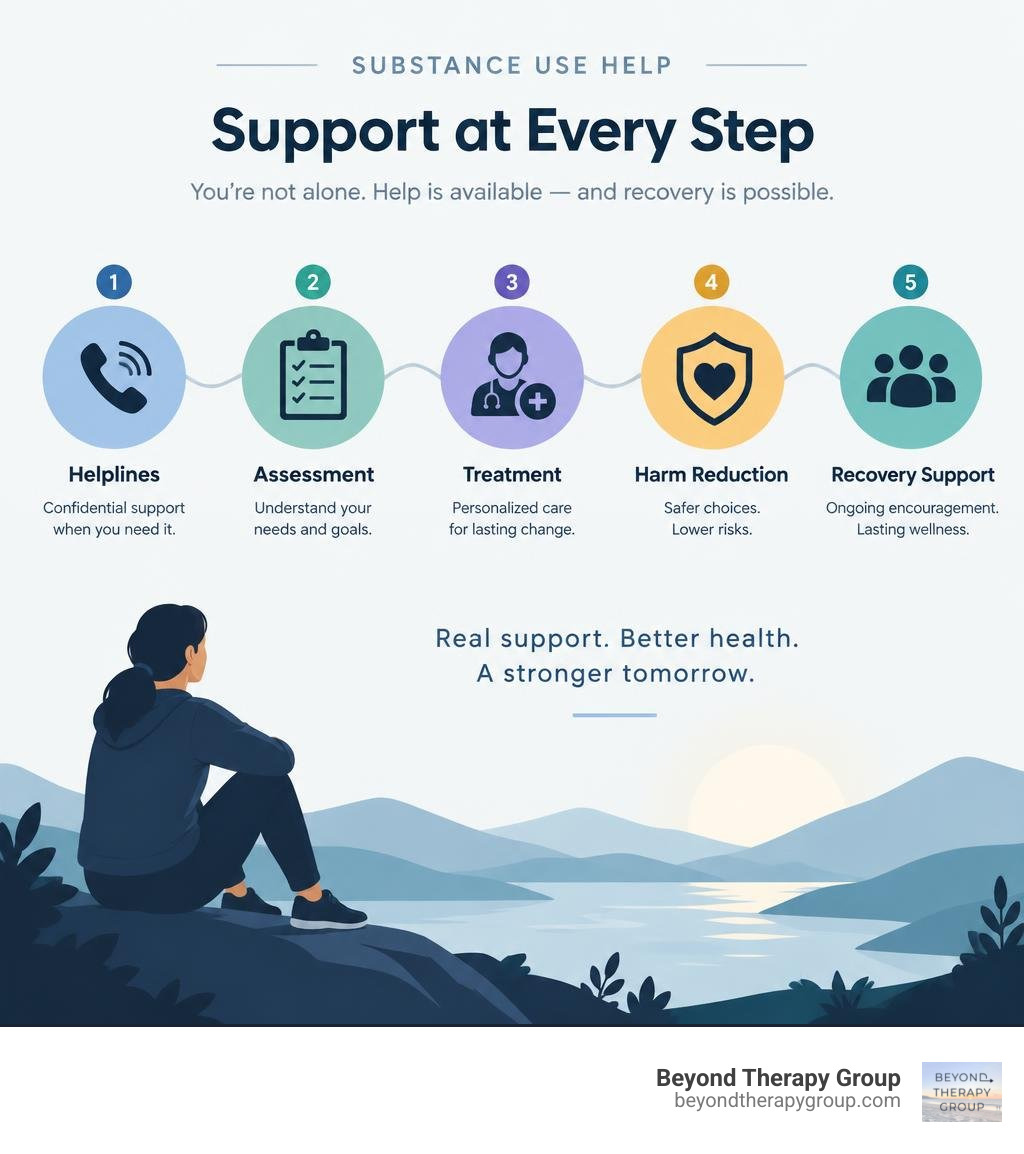
- Substance use help can include medical care, counseling, medication, peer support, and harm reduction services.
- Start with a healthcare professional, a confidential referral line, or a local treatment locator.
- Call 911 right away if someone may be overdosing or is in immediate danger.
If you or someone you care about needs substance use help, you do not have to wait until things feel out of control. A healthcare provider can help assess needs and recommend care. Confidential helplines and treatment locators can also connect you with nearby counseling, withdrawal management, medication for cravings or opioid use disorder, and recovery support.
Substance use disorder is a treatable health condition, not a personal failure. In 2023, more than 1 in 10 U.S. adults said they had experienced a substance use problem, and more than 7 in 10 of those adults considered themselves in recovery. Help can fit into a busy life, including outpatient and virtual options.
This guide explains how to recognize concerns, respond safely in a crisis, find accessible care, and support a loved one with compassion.
Understanding Substance Use Disorder and the Brain
Substance use disorder changes the brain in real, measurable ways. When someone uses alcohol or drugs, the brain releases large surges of dopamine, reinforcing the behavior and making the reward pathways light up intensely. Over time, the brain adapts by reducing its natural dopamine production or desensitizing receptors, which means normal daily pleasures no longer feel satisfying.
This biological shift explains why overcoming a compulsive habit is more than willpower. The prefrontal cortex, which governs decision-making, impulse control, and emotional balance, becomes less active during active substance use. This makes stopping without professional assistance extremely challenging. It is also helpful to distinguish between physical dependence vs addiction. While physical dependence involves tolerance and withdrawal symptoms as the body adapts to a substance, addiction involves compulsive use despite serious consequences. According to clinical insights on substance use disorder, recognizing addiction as a chronic medical condition is the foundation for lasting healing.
Recognizing the Warning Signs in Yourself or a Loved One
Noticing the early signs of substance misuse can save lives. Often, the changes are subtle at first before becoming more obvious over weeks or months.
Common indicators include:
- Sudden shifts in mood, increased irritability, or defensive reactions when asked about daily routines
- Pulling away from longtime friends, hobbies, or family gatherings
- Neglecting responsibilities at school, work, or home
- Changes in sleep patterns, energy levels, personal hygiene, or physical appearance
- Secrecy, unexplained financial strain, or hiding substances around the living space
Catching these patterns early allows families to intervene before severe crises emerge. Learning how to identify early warning signs in family members creates space for proactive conversations. Left unaddressed, substance misuse takes a heavy toll, highlighting the deep relational impact of untreated addiction on trust, communication, and emotional safety within the home.
The Role of Trauma and Co-Occurring Mental Health Conditions
Substance use rarely happens in isolation. Many individuals turn to substances as a way to self-medicate unresolved pain, chronic stress, or past traumatic experiences. When someone experiences early life stressors, their nervous system can stay in a heightened state of alertness, making substances seem like a quick way to find calm or emotional numbness.
Adopting a trauma-informed addiction recovery approach allows individuals to process the underlying causes of their distress rather than just treating surface symptoms. It is also very common for mental health conditions such as anxiety, depression, or bipolar disorder to co-occur alongside substance misuse. Successfully managing dual diagnosis conditions requires an integrated approach where both the emotional health challenge and the substance use are addressed at the exact same time by a qualified therapist.
Evidence-Based Treatment and Recovery Modalities

Effective recovery is never one-size-fits-all. Because everyone has unique personal histories, biological factors, and schedules, care must be individualized. Many people benefit from flexible outpatient treatment pathways that allow them to live at home, work, and stay connected with their support systems while receiving structured care.
| Treatment Level | Primary Focus | Setting & Schedule | Ideal For |
|---|---|---|---|
| Medical Detox | Safe management of physical withdrawal symptoms | Inpatient hospital or residential facility (3 to 7 days) | Individuals at risk of dangerous withdrawal |
| Outpatient Counseling | Therapy, lifestyle changes, and craving management | Clinics or private offices (1 to several hours weekly) | Mild to moderate concerns, ongoing aftercare |
| Residential Treatment | 24/7 intensive emotional and behavioral therapy | Live-in treatment center (30 to 90+ days) | Severe disorders requiring total immersion |
Psychotherapy and Behavioral Counseling Options
Therapy is the core of sustainable behavioral change. Working individually with a substance and alcohol therapist gives individuals a safe, non-judgmental space to unpack triggers, build emotional resilience, and practice real-world coping mechanisms.
Proven therapeutic approaches include:
- Cognitive Behavioral Therapy (CBT): Identifies and reframes unhelpful thought loops that lead to substance cravings and risky behaviors.
- Motivational Interviewing (MI): Helps people resolve internal ambivalence about quitting and strengthens personal motivation to change.
- Acceptance and Commitment Therapy (ACT): Teaches mindfulness and psychological flexibility. Practicing acceptance and commitment therapy for recovery helps people live in alignment with their personal values even when facing uncomfortable cravings.
Medication-Assisted Treatment and Medical Detox
For many substances, particularly opioids and alcohol, quitting abruptly can produce severe, painful, or medically dangerous withdrawal symptoms. Supervised withdrawal management ensures safety and comfort under medical oversight.
Following stabilization, medications can play a vital role in curbing cravings and restoring biological balance. Prescriptions like buprenorphine, methadone, and naltrexone help prevent relapse and stabilize brain chemistry. Exploring modern medication innovations alongside psychotherapy provides a balanced clinical pathway. Authoritative resources, such as the Health Canada guide to medical treatment options, affirm that combining medications with psychological support produces the best long-term outcomes.
Peer Support Networks and Comprehensive Aftercare
Connecting with others who share similar experiences provides community encouragement and reduces isolation. Mutual-aid fellowships such as Alcoholics Anonymous have helped millions of individuals build sober social circles.
At the same time, many people find that recovery requires more than 12-step programs alone. Comprehensive recovery thrives when peer connection is paired with professional individual therapy, healthy daily routines, and structured relapse prevention planning. Establishing solid aftercare and long-term support ensures that once initial treatment is finished, you continue to have trusted guidance through life transitions and unexpected challenges.
Harm Reduction Strategies and Crisis Response
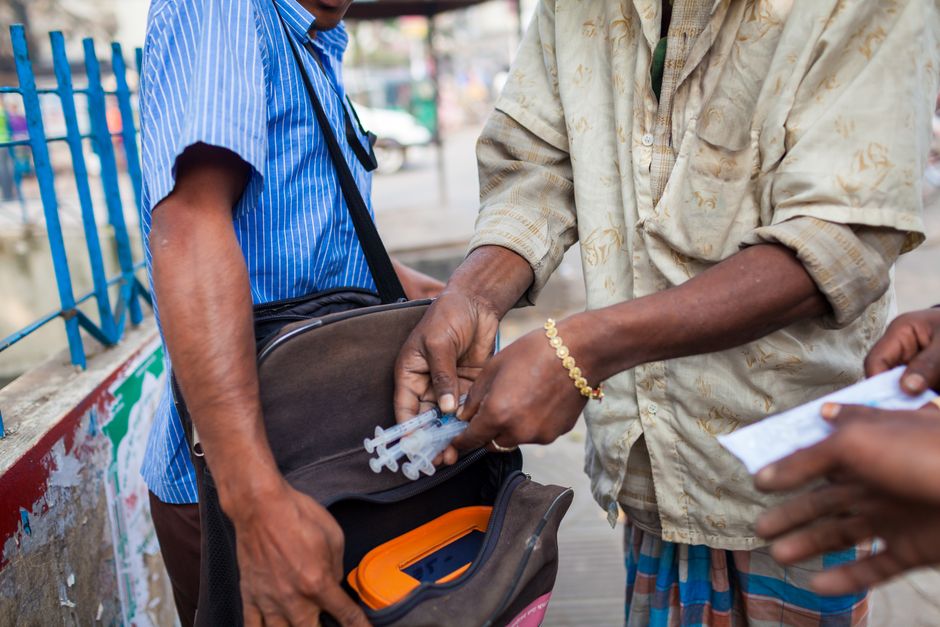
Harm reduction is an essential, practical approach designed to keep individuals safe and alive, meeting them wherever they are on their personal journey. You do not need to be completely abstinent to access care and protect your health. Programs offering clean supplies, fentanyl testing strips, and safe spaces reduce health complications and open doors to future treatment. As outlined in the Health Canada harm reduction and support services directory, public health initiatives prioritize human dignity and life preservation above all else.
Emergency Response: Managing Overdose and Acute Crisis
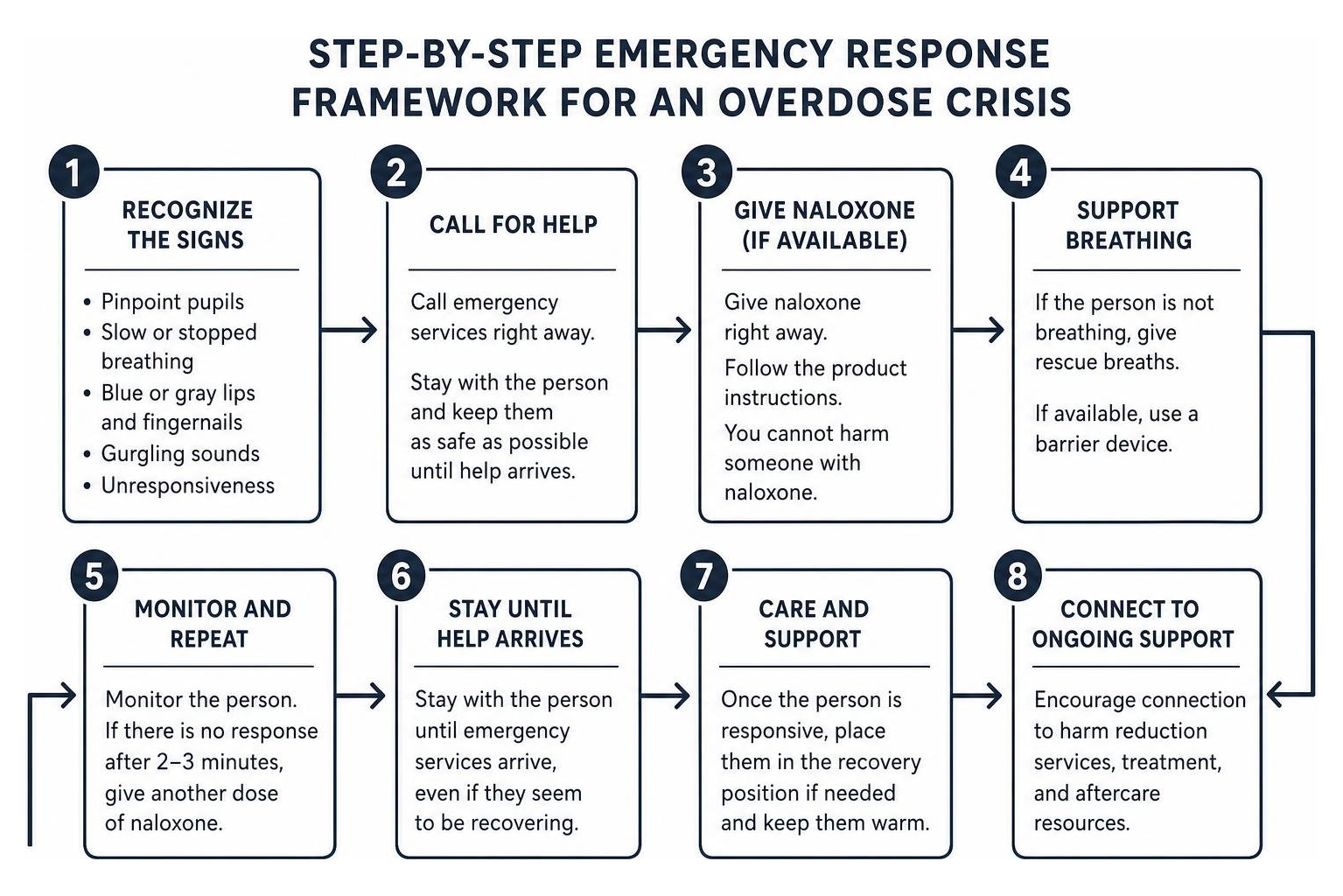
An overdose is a time-sensitive medical emergency. Knowing how to act immediately can save a life:
- Recognize the signs: Pinpoint pupils, slow or stopped breathing, blue or gray lips and fingernails, gurgling sounds, and unresponsiveness.
- Call 911 immediately: State that someone is unresponsive and not breathing normally. Give your exact location.
- Administer Naloxone (Narcan): Spray naloxone into one nostril. If the person does not wake up within two to three minutes, administer a second dose in the other nostril.
- Perform Rescue Breathing: If the person is not breathing, provide rescue breaths until emergency medical personnel arrive.
- Stay on the scene: Place them in the recovery position on their side to keep their airway clear until help takes over.
Reducing Stigma and Practicing Compassionate Care
Stigma remains one of the largest obstacles preventing individuals from asking for help. Society has historically framed substance misuse as a moral flaw, creating unnecessary shame, secrecy, and delay in seeking treatment.
We can actively dismantle stigma by using person-first language. Saying “a person with a substance use disorder” rather than “an addict” reminds us that a human being comes before their medical diagnosis. Approaching friends and family members with curiosity, warmth, and steady empathy creates an environment where asking for help feels safe instead of terrifying.
Navigating Free, Low-Cost, and Accessible Substance Use Help
Accessing quality care should never feel impossible due to practical or financial barriers. There are numerous community-based options, federally qualified health centers, and non-profit organizations dedicated to providing accessible care to anyone who asks for it.
To explore options in your immediate area:
- Search the official national directory for licensed treatment provided by SAMHSA to locate state-certified clinics and providers.
- Seek out local community health clinics that offer sliding-scale fees based on household size and income.
- Connect with local community resource hotlines like 211, which provide free referrals to local food, housing, and substance counseling assistance.
How to Find Immediate and Confidential Substance Use Help
If you need quick guidance or feel unsure where to start, free national hotlines operate around the clock. The SAMHSA national helpline and SMS support is a 24/7, 365-day-a-year treatment referral service available by calling 1-800-662-4357 (HELP) or by texting your ZIP code to 435748 (HELP4U). These services are completely confidential, require no personal identifying details, and can instantly direct you toward nearby clinics, sliding-scale providers, and community programs.
Specialized Substance Use Help for Teens, Seniors, and Families
Different life stages come with unique challenges, requiring specialized approaches to substance counseling:
- Adolescents and Young Adults: Teen brains are still developing, making them particularly vulnerable to social pressure and impulse-driven behaviors. Finding specialized adolescent addiction counseling ensures that communication, school pressures, and family dynamics are handled with care.
- Older Adults and Seniors: Seniors frequently manage physical pain, life transitions, grief, or prescription interactions. Tailored geriatric substance support respects their life story while safely addressing medication management and social isolation.
- Families and Loved Ones: Substance use affects the whole family. Individual counseling for family members helps loved ones rebuild healthy boundaries, regain peace of mind, and learn how to communicate without enabling harmful patterns.
Frequently Asked Questions about Substance Use Help
What is the difference between physical dependence and addiction?
Physical dependence is a biological adaptation where the body grows accustomed to a chemical, experiencing tolerance and physical withdrawal if the substance is stopped. Addiction, on the other hand, is a chronic disorder characterized by compulsive, uncontrollable substance use despite ongoing harm to health, relationships, and daily life.
How can I support a family member who refuses substance use help?
Start by having calm, empathetic conversations during sober moments rather than during arguments. Express how much you care about their well-being, share specific concerns without blame, and set firm, healthy boundaries to protect your own emotional and physical health. Seeking individual guidance from a therapist can also help you navigate these family dynamics constructively.
Are confidential substance use hotlines completely free to use?
Yes. National helplines such as SAMHSA (1-800-662-4357) and local 211 navigation networks are 100 percent free to call or text. They are available 24 hours a day, offer multilingual support, and never require personal identifying records to provide you with treatment referrals.
Conclusion
Finding the right path to healing takes patience, courage, and the right professional partnership. Recovery is not an all-or-nothing race. It is an ongoing journey of regaining balance, reconnecting with what matters most, and building a life you feel proud to live every single day.
At Beyond Therapy, we believe that everyone deserves personalized, compassionate support tailored to their unique story. We invite you to schedule a free 15-minute consultation with our therapists so you can ask questions, explore our approach, and see how our comprehensive mental health and substance therapy services can support you or your family today.
Recent Posts