
November 3, 2026
Navigating the Complex Connection Between Alcohol and Mental Health

How Alcohol Affects Anxiety and Depression
- Alcohol can ease stress for a few hours, but anxiety and low mood often feel worse as it wears off.
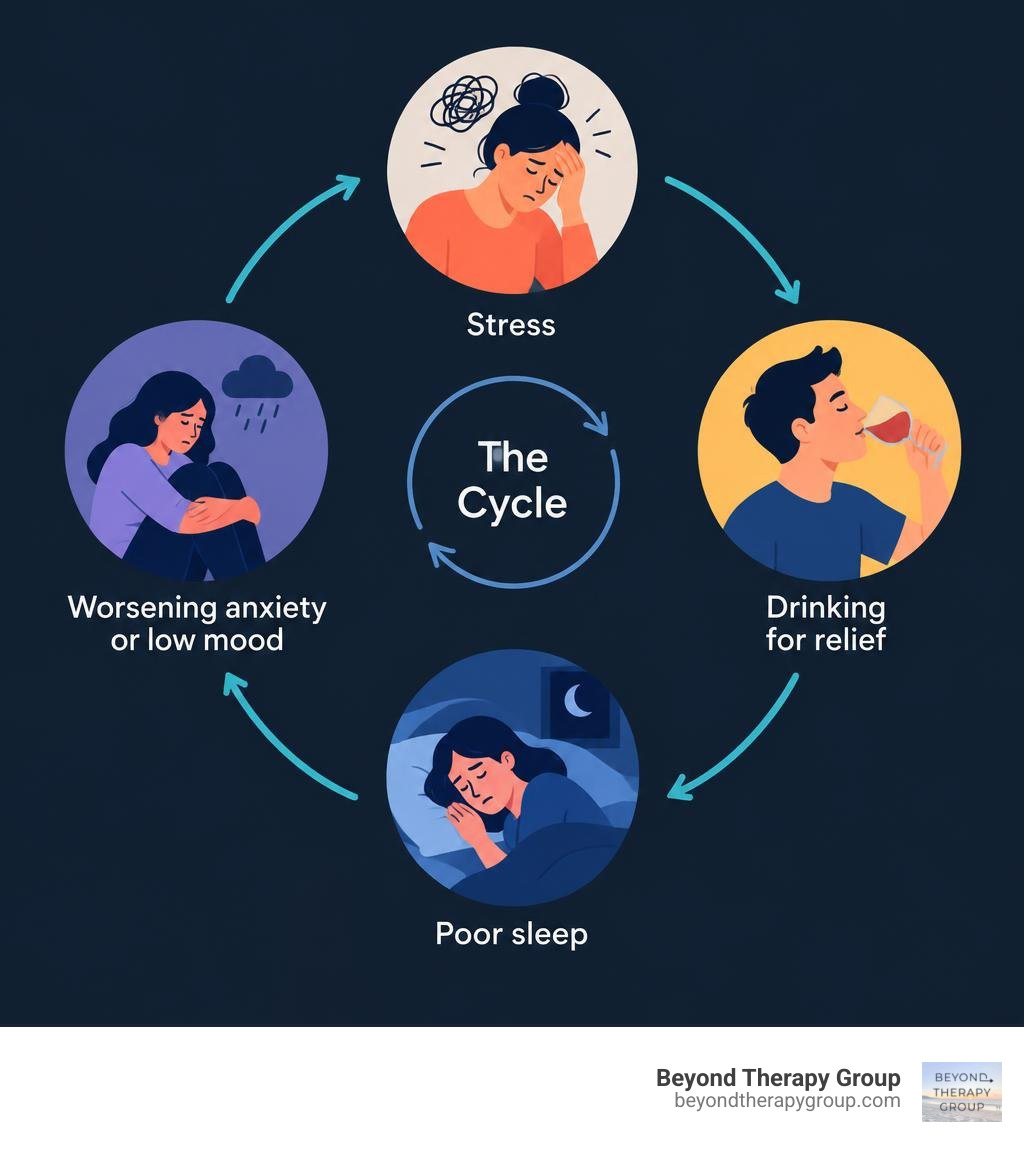
- Drinking to cope can become a cycle: feeling bad leads to drinking, and drinking makes it harder to feel better.
- Cutting back may improve sleep and mood. If you drink heavily or feel shaky when you miss a drink, speak with a healthcare professional before stopping.
Alcohol, anxiety, and depression can affect each other in both directions. You may reach for a drink after a hard workday because it helps you relax. But if you begin to rely on it, the relief can give way to poor sleep, more anxiety, and a lower mood.
This guide explains what happens, how to spot a pattern, and when to seek support.
The Neurobiology of Alcohol, Anxiety, and Depression
To understand why a cocktail or glass of wine alters emotional stability, we must look inside the central nervous system. Alcohol is classified as a central nervous system depressant. It changes the chemical messengers that control how brain cells communicate. When alcohol enters the bloodstream and crosses the blood-brain barrier, it immediately targets two primary neurotransmitter networks: gamma-aminobutyric acid (GABA) and glutamate.
GABA serves as the natural brake pedal of the brain. When GABA binds to its receptors, it slows down neuronal firing, bringing a sense of calm and physical relaxation. Alcohol enhances GABA activity by altering GABAA receptor pathways, which artificially reduces tension in the short term. At the same time, alcohol blocks N-methyl-D-aspartate (NMDA) glutamate receptors. Glutamate functions as the main accelerator pedal of the brain, driving alertness, cognition, and memory formation. By suppressing glutamate while boosting GABA, alcohol produces temporary calmness and slowed mental processing.
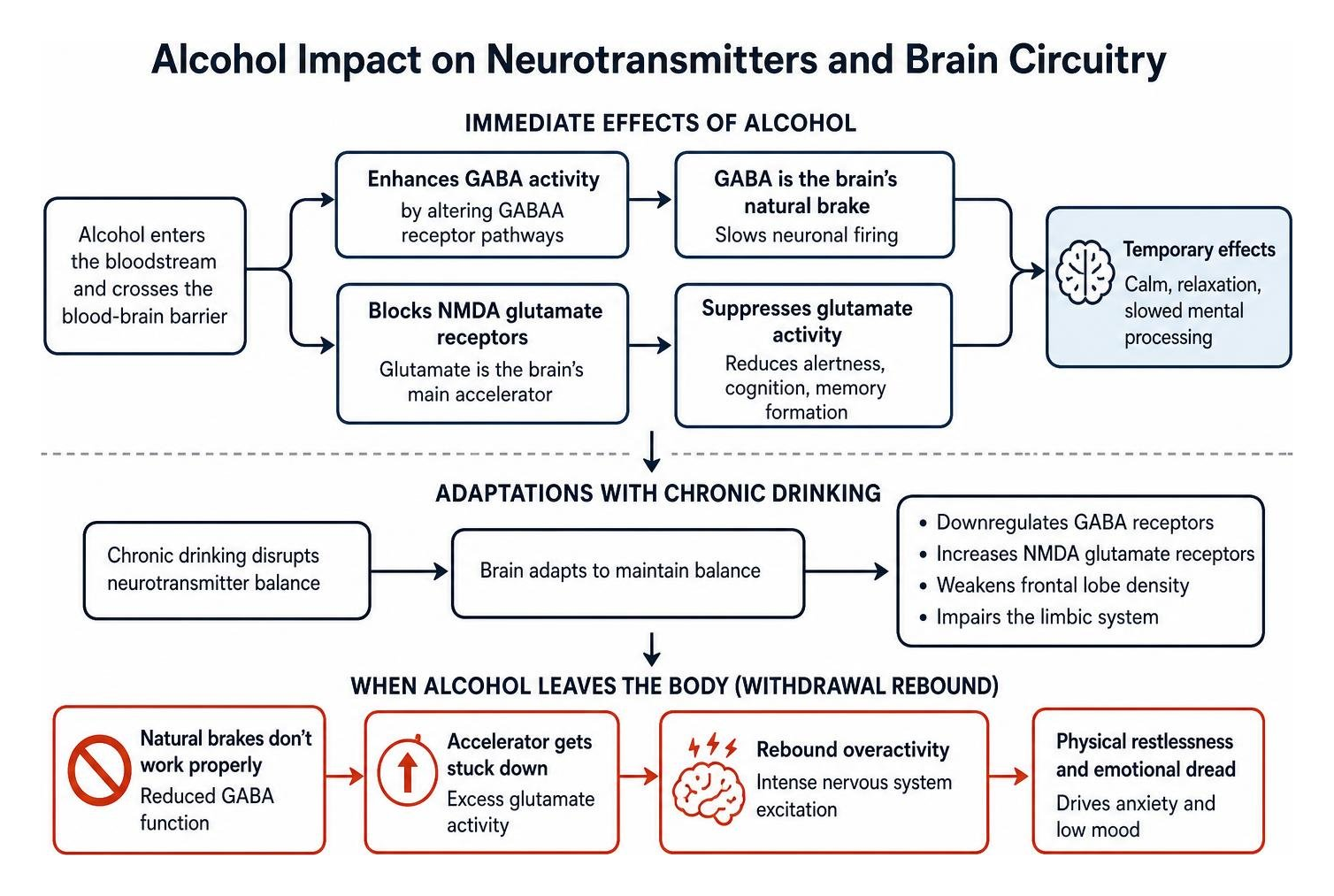
Chronic drinking forces the brain to adapt to these chemical disruptions. Over time, the brain tries to maintain balance by downregulating GABA receptors and increasing NMDA glutamate receptors. When alcohol leaves the body, the natural brakes no longer function properly, and the accelerator gets stuck down. This rebound state causes intense nervous system excitation, driving the physical restlessness and emotional dread characteristic of alcohol-related mood disruptions (Schuckit, 1996). A detailed neurobiological review on alcohol withdrawal and mood disorders shows that continuous exposure weakens frontal lobe density by 15 to 23 percent while impairing the limbic system, the core emotional engine of the brain.
How Alcohol, Anxiety, and Depression Interact in the Brain
The initial euphoria of drinking comes from a surge of dopamine in the reward pathways of the brain. However, this artificial boost is short-lived. Repeated alcohol consumption depletes resting dopamine and serotonin stores, leaving the brain less capable of experiencing natural joy or contentment.
Chronic alcohol intake also activates the hypothalamic-pituitary-adrenal (HPA) axis, causing cortisol levels to spike during periods of sobriety. This elevation in stress hormones leads to biological restlessness and irritability. Furthermore, alcohol metabolism generates harmful free radicals, causing oxidative stress and neuroinflammation throughout the frontal cortex and hippocampus. When these regions become inflamed, emotional regulation falters. This neurochemical rebound effect creates deep emotional lows once the temporary buzz fades.
The Self-Medication Trap and Temporary Relief
Many people turn to alcohol to quiet intrusive worries, manage social discomfort, or numb emotional distress. This pattern is known as the tension reduction hypothesis. A drink can quickly quiet social self-consciousness and soften intense memories.
Unfortunately, this relief is temporary. As the body metabolizes ethanol, the underlying feelings return with greater intensity. Drinking to mask psychological distress creates a cycle where more alcohol is needed to achieve the same numbing effect. People who rely on drinking to soothe painful memories often find that addressing unresolved trauma and emotional pain through professional clinical care provides the only true, sustainable relief. Without healthy coping tools, self-medication turns an occasional habit into a progressive cycle of distress.
The Bidirectional Relationship: Co-Occurring Disorders and the Harm Paradox
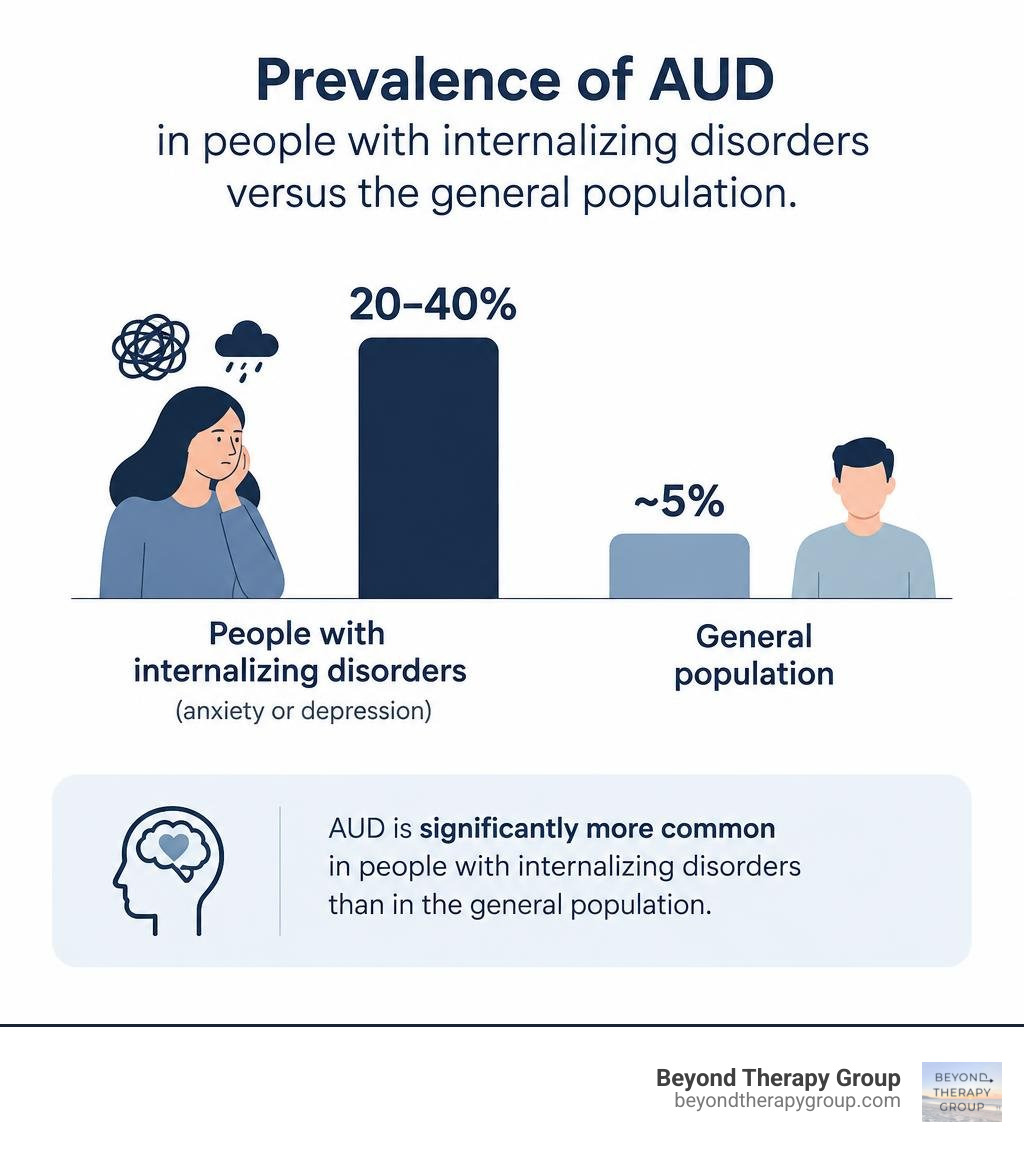
The connection between drinking and mood challenges is deeply intertwined. Scientific data confirms that alcohol dependence and mood disorders frequently occur together. Approximately 20 to 40 percent of individuals diagnosed with an internalizing condition, such as generalized anxiety or major depressive disorder, also meet the clinical criteria for alcohol use disorder. In comparison, only about 5 percent of the general population experiences alcohol use disorder.
Studies show that more than one out of every three individuals with alcohol dependence experiences intense depressive episodes or severe anxiety. Furthermore, up to 80 percent of alcohol-dependent individuals report extended periods of sadness in their medical histories, and at least 40 percent have experienced debilitating panic attacks marked by palpitations and shortness of breath. The WHO evidence on harmful alcohol use and mental health indicates that individuals with alcohol dependence face a three-fold increase in their odds of experiencing major depression compared to non-drinkers (Schuckit, 1996). Navigating these challenges requires specialized, integrated care for dual diagnosis conditions that treats mood symptoms and substance use together.
The Harm Paradox: Why Alcohol, Anxiety, and Depression Form a Dangerous Loop
The relationship between drinking and psychological distress is magnified by what researchers call the “harm paradox.” Data from large epidemiological studies, including surveys of more than 26,000 adults, shows that individuals with underlying mood or anxiety conditions experience more severe alcohol-related problems than individuals without these conditions who drink the exact same amount.
On a drink-for-drink basis, a person with an underlying depressive or anxiety disorder suffers greater social, physical, and psychological disruption. This heightened vulnerability affects men and women equally. It also persists in people whose mood disorders are in remission. Because underlying psychological vulnerabilities amplify the negative impact of every drink, standard definitions of moderate drinking may still carry significant risks for individuals living with mood challenges.
Short-Term Crises and Long-Term Health Risks
The immediate and long-term consequences of combining heavy drinking with mood instability can be severe. In the short term, binge drinking often causes memory blackouts. Recent research on alcohol-induced blackouts and depressive symptoms shows that blackouts increase secondary interpersonal crises, behavioral regrets, and emotional distress (Miller et al., 2020). Because alcohol lowers behavioral inhibitions and impairs impulse control, heavy intoxication during depressive states dramatically increases the danger of self-harm and acute suicidal ideation. The lifetime risk of suicide among individuals with alcohol dependence is estimated at 10 percent or higher.
Over the long term, continuous heavy drinking causes structural neurological harm. Research indicates that up to 3 in 10 individuals with chronic alcohol dependence develop alcohol-related brain damage (ARBD), including conditions such as Wernicke-Korsakoff syndrome and alcohol-related dementia.
| Area of Impact | Short-Term Mental Health Consequences | Long-Term Neurological and Psychiatric Risks |
|---|---|---|
| Cognitive Function | Impaired memory encoding, blackouts, poor judgment | Structural frontal lobe atrophy, executive dysfunction, ARBD |
| Mood Regulation | Rebound irritability, severe emotional crashes, sadness | Chronic treatment-resistant depression, persistent dysthymia |
| Anxiety Response | Acute hangxiety, morning panic attacks, rapid heartbeat | Sensitized central nervous system, generalized anxiety disorders |
| Safety and Crisis | Impulsive self-harm behaviors, acute suicidal thoughts | Elevated lifetime suicide mortality risk of 10 percent or higher |
Understanding Alcohol Dependence, Tolerance, and Withdrawal
Over time, consistent drinking can lead to physical tolerance, requiring larger amounts of alcohol to produce the initial feeling of relaxation. As the brain adapts to constant depressant exposure, it reaches a state of neuroadaptation where normal functioning depends on the presence of ethanol.
It is important to understand the clinical difference between physical dependence and addiction. While dependence refers to the physiological adaptation and withdrawal symptoms that occur when alcohol levels drop, addiction involves compulsive use despite severe life consequences. You can explore these nuances further by differentiating between addiction and physical dependence to better evaluate your personal relationship with alcohol.

The Mental Health Impact of Alcohol Withdrawal
When a person who is physically dependent stops drinking abruptly, the sudden loss of GABA stimulation combined with excessive glutamate activity causes severe autonomic hyperactivity. This state is known as alcohol withdrawal syndrome.
Psychologically, withdrawal can cause extreme fear, severe panic attacks, profound despair, and intense psychomotor agitation. In more severe cases, individuals may experience alcoholic hallucinosis, hearing voices or seeing things that are not there while remaining otherwise lucid. The most dangerous manifestation of withdrawal is delirium tremens, a medical emergency characterized by disorientation, severe autonomic instability, tremors, and seizures. Because sudden withdrawal from heavy drinking can be life-threatening, it is essential to undergo medically supervised detoxification rather than stopping cold turkey.
Recognizing When Drinking Harms Your Mental Health
Recognizing the signs that drinking is undermining your mental well-being is an essential first step toward reclaiming your health. Key indicators include:
- Experiencing morning dread, rapid heart rate, or intense panic the day after drinking, commonly known as hangxiety.
- Drinking alone in secret or using alcohol as the primary tool to handle stressful situations.
- Waking up frequently during the night, experiencing vivid nightmares, and suffering from unrefreshing sleep.
- Noticing that standard personal or professional problems trigger intense emotional volatility, anger, or despair.
- Finding that you need more drinks each week to achieve the same sense of emotional detachment.
- Experiencing memory lapses, blackouts, or deep regret regarding your behavior while drinking.
Pathways to Recovery: Treatment, Support, and Safe Guidelines
Public health guidelines generally recommend consuming no more than 14 standard units of alcohol per week, spread over three or more days, with several alcohol-free days in between. However, for individuals living with mood disorders, these standard limits may not provide adequate protection due to the harm paradox and potential interactions with psychiatric medications.
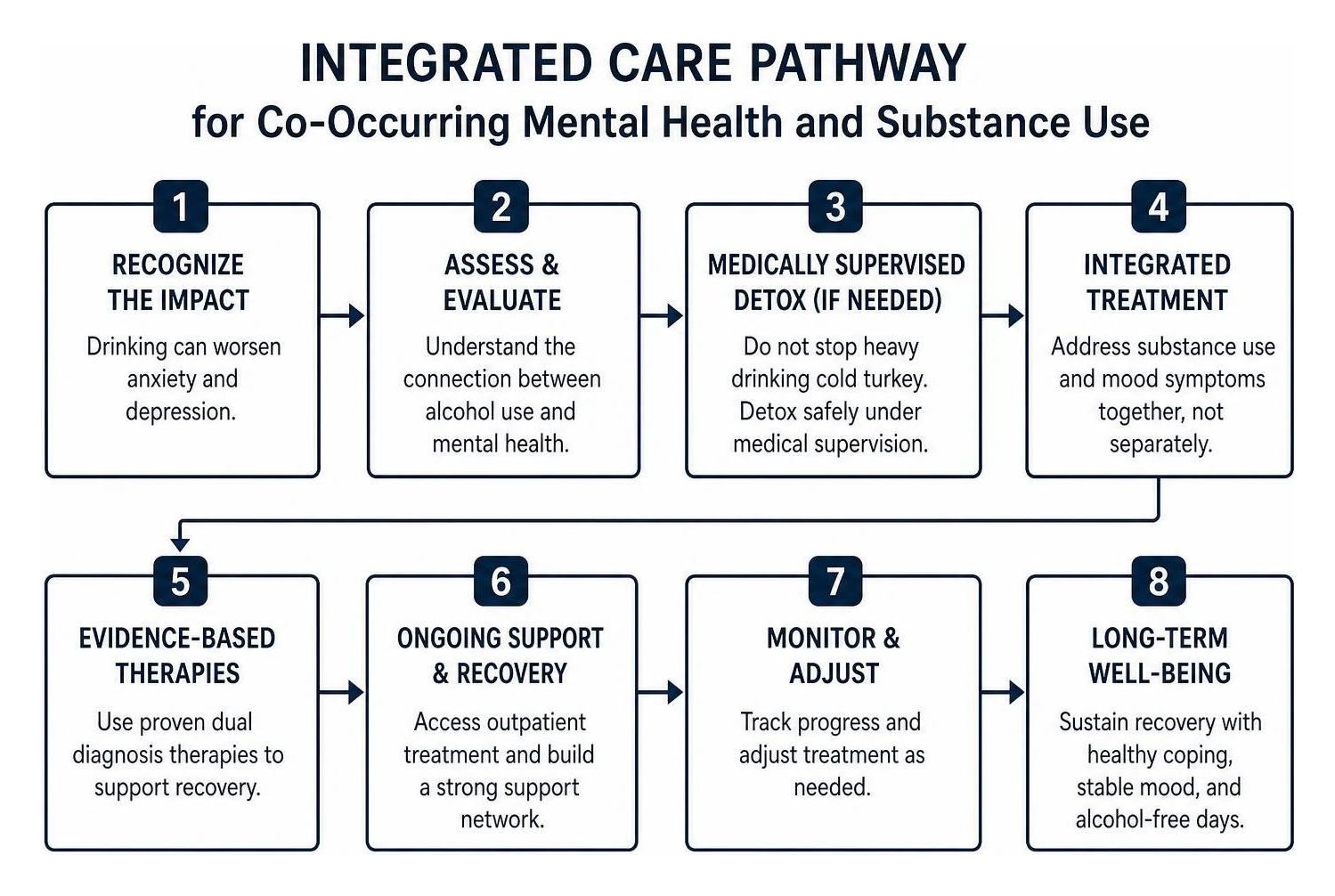
For those navigating both psychological distress and substance use challenges, finding professional, structured support is vital. Comprehensive programs like understanding outpatient alcohol treatment programs allow individuals to access clinical therapy while continuing to manage their daily life and responsibilities.
If you need immediate guidance or confidential crisis support, the SAMHSA National Helpline support resources offer 24/7 assistance to help you locate local health services.
Evidence-Based Dual Diagnosis Therapies
Managing dual diagnosis conditions requires integrated care that addresses substance use and mood symptoms simultaneously rather than treating them as separate issues.
Cognitive Behavioral Therapy (CBT) helps individuals identify distorted thought patterns, manage emotional triggers, and develop healthier coping mechanisms. Acceptance and Commitment Therapy (ACT) fosters psychological flexibility, helping people sit with uncomfortable sensations without turning to alcohol. Additionally, new clinical approaches such as Amplification of Positivity (AMP) focus on rebuilding positive emotional systems, utilizing gratitude exercises and constructive activities to alleviate depression while reducing the urge to drink (DOI 10.25384/sage.c.5510800.v1). Working with a clinician through specialized alcohol recovery counseling provides the personalized tools and accountability necessary for lasting healing.
The Timeline of Mental Health Improvement After Quitting
The journey of neurological healing begins the moment alcohol consumption stops. While the initial days require patience and support, the brain possesses an extraordinary capacity to heal:
- Days 1 to 7: Physical withdrawal symptoms peak and begin to settle. Autonomic hyperactivity diminishes under appropriate clinical supervision, and acute physical safety is restored.
- Weeks 2 to 4: Neurotransmitter balance starts to normalize. As GABA and glutamate levels stabilize, sleep quality improves, daytime brain fog clears, and baseline panic levels drop significantly.
- Months 1 to 3: Frontal lobe functioning, memory consolidation, and emotional regulation show marked improvements. Natural dopamine production recovers, allowing you to experience genuine motivation and pleasure from everyday activities.
- Months 6 and Beyond: Deep neurological pathways continue to repair. Long-term emotional resilience strengthens, personal self-efficacy expands, and chronic depressive symptoms frequently decrease to manageable levels.
Frequently Asked Questions About Alcohol and Mental Health
Can stopping alcohol completely cure depression and anxiety?
Eliminating alcohol can significantly reduce mood symptoms, especially when those symptoms were directly caused by the chemical effects of drinking and withdrawal. In many cases, substance-induced depression lifts after several weeks of continuous sobriety. However, if an underlying anxiety or depressive disorder existed prior to heavy drinking, professional psychotherapy remains necessary to build lasting emotional health.
What is “hangxiety” and why does it occur after drinking?
Hangxiety is the combination of intense morning anxiety, physical shakiness, and emotional dread experienced during a hangover. It occurs because the brain attempts to counter the depressant effects of alcohol by releasing excess glutamate and clearing out calming GABA. When alcohol leaves your system overnight, your nervous system is left in a hyper-aroused, agitated state that triggers rapid heart rates and racing thoughts.
Are safe drinking guidelines different for people with anxiety or depression?
Yes. Because of the harm paradox, individuals living with anxiety or depressive conditions experience greater emotional instability and cognitive harm from the same amount of alcohol compared to the general population. In addition, mixing alcohol with psychiatric medications can dangerously amplify side effects or render prescriptions ineffective. For many individuals managing mood disorders, maintaining complete abstinence is the safest and most effective choice.
Conclusion
Untangling the complex web of alcohol, anxiety, and depression can feel overwhelming, but you do not have to walk this path alone. Reclaiming your emotional well-being begins with compassionate, evidence-based care tailored to your unique personal story.
At Beyond Therapy, we provide comprehensive, personalized support for individuals throughout Redondo Beach and the South Bay who are navigating mood challenges and substance use concerns. Our clinicians work collaboratively with you to understand the root causes of your distress, develop healthier coping strategies, and restore balance to your life. Take the first step toward lasting vitality by connecting with our team for a free 15-minute consultation to explore our evidence-based therapy for anxiety and depression.
References
Schuckit MA. “Alcohol, Anxiety, and Depressive Disorders..” Alcohol health and research world, 1996. PMCID PMC6876499. DOI 10.25384/sage.c.5510800.v1. Miller MB, DiBello AM, Merrill JE, Neighbors C, Carey KB. “The role of alcohol-induced blackouts in symptoms of depression among young adults..” Drug and alcohol dependence, 2020. PMCID PMC7263566.
Recent Posts