July 22, 2026
The Complete Guide to Deep Depression Treatment

When Depression Goes Deep: What You Need to Know About Treatment
Key Takeaways
- Deep depression treatment works best when it combines medication, psychotherapy, and lifestyle support
- SSRIs and SNRIs are the most commonly prescribed first-line medications for severe depression
- Cognitive behavioral therapy (CBT) and interpersonal therapy (IPT) are proven, evidence-based talk therapies
- For treatment-resistant cases, options like transcranial magnetic stimulation (TMS) and electroconvulsive therapy (ECT) are highly effective
- Newer rapid-acting agents like esketamine are now FDA-approved and changing outcomes for hard-to-treat cases
- Recovery is possible with the right professional support and a personalized treatment plan
If you are looking for a quick answer, here are the main deep depression treatment options:
| Treatment Type | Examples | Best For |
|---|---|---|
| Medication | SSRIs, SNRIs, esketamine | Mild to severe depression |
| Psychotherapy | CBT, IPT | Mild to severe depression |
| Combination therapy | Medication + therapy | Moderate to severe depression |
| Brain stimulation | TMS, ECT | Treatment-resistant cases |
| Lifestyle support | Exercise, sleep, social connection | All severity levels |
Depression is not a character flaw. It is not laziness. It is a serious medical condition that affects your entire body, including your mood, energy, sleep, appetite, and ability to think clearly.
And when it goes deep, it can feel impossible to climb out of alone.
According to the World Health Organization, depression is already the second-leading cause of disability worldwide and is projected to rank first by 2030. In the United States, roughly one in six people will experience clinical depression at some point in their life. Yet many people still wait too long to seek help, or are not sure where to start.
The good news? Effective treatment exists. Research consistently shows that the right combination of professional care, evidence-based therapy, and lifestyle support helps most people recover and stay well.
This guide breaks down everything you need to know about deep depression treatment in 2026, from first-line medications and proven talk therapies to advanced options for the most treatment-resistant cases. Whether you are newly diagnosed, have been struggling for years, or are supporting someone you care about, you will find clear and practical information here.
Understanding Major Depressive Disorder and Its Symptoms
To find the right path forward, we must first understand exactly what we are dealing with. Major Depressive Disorder (MDD) is much more than a temporary case of the blues. It is a biological and psychological state that takes over a person’s life, casting a heavy shadow on their daily routine, relationships, and physical health.

Diagnostic Criteria and Severity Classification
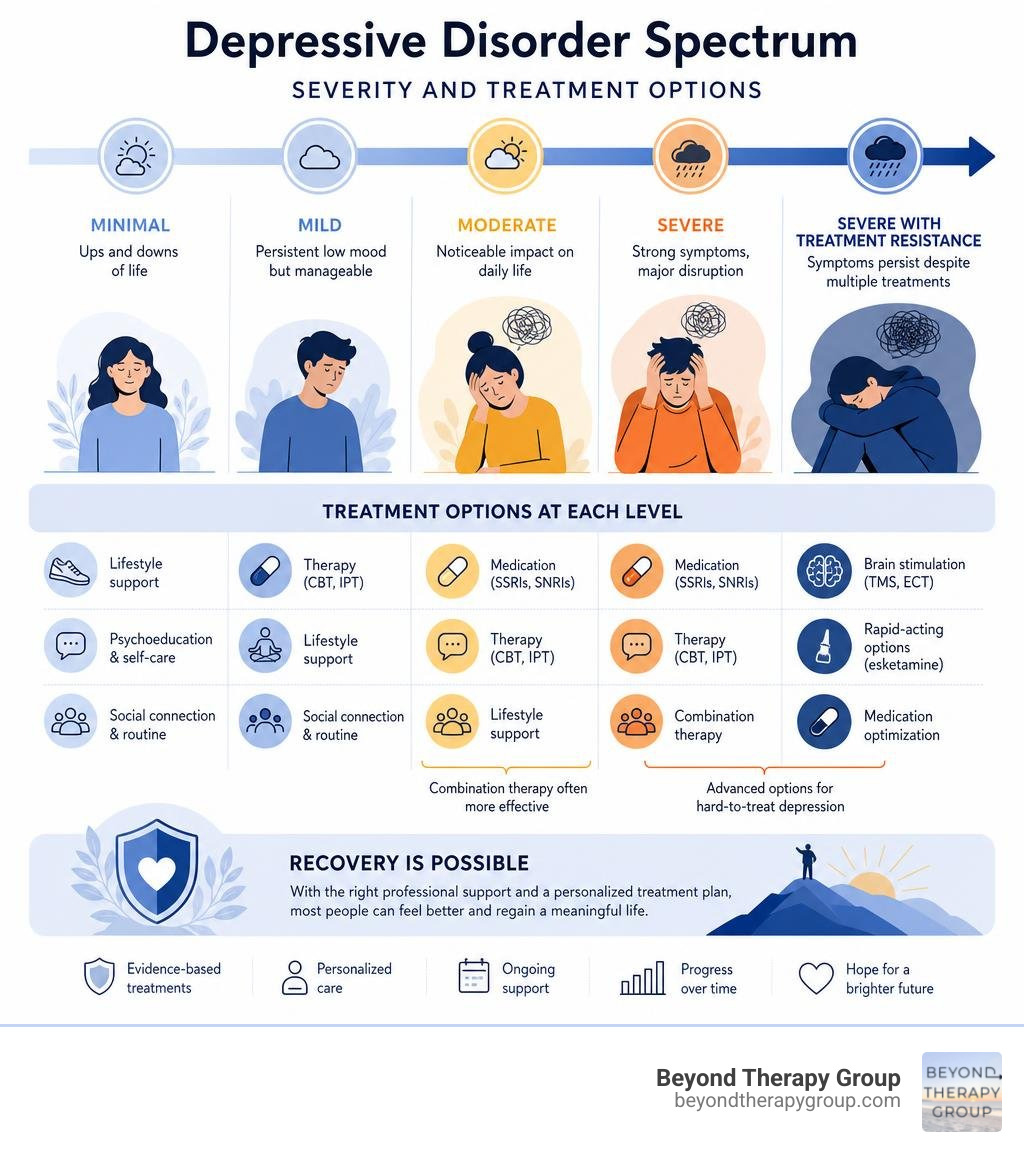
Clinicians diagnose major depression using the Diagnostic and Statistical Manual of Mental Disorders (DSM-5). To meet the criteria for a major depressive episode, an individual must experience five or more specific symptoms daily for at least two consecutive weeks. Crucially, at least one of these symptoms must be either a persistently depressed mood or a marked loss of interest or pleasure in almost all activities (anhedonia).
Other key symptoms include:
- Significant changes in appetite or weight (either loss or gain)
- Insomnia or hypersomnia nearly every day
- Psychomotor agitation or retardation observable by others
- Fatigue or a near-total loss of energy
- Feelings of worthlessness or excessive, inappropriate guilt
- Diminished ability to think, concentrate, or make decisions
- Recurrent thoughts of death, suicidal ideation, or suicide attempts
To measure the depth of these symptoms, mental health professionals frequently use the Patient Health Questionnaire (PHQ-9). This validated self-test translates symptom frequency into a clear numerical score:
- 5 to 9: Mild depression
- 10 to 14: Moderate depression
- 15 to 19: Moderately severe depression
- 20 or higher: Severe depression
When depression scores climb into the severe range, it often causes profound functional impairment. Simple daily tasks like getting out of bed, showering, or answering an email can feel like climbing a mountain. Understanding where you sit on this spectrum is the first step toward building an effective recovery plan. If you are ready to take that step, exploring Therapy for Anxiety and Depression can connect you with professionals who know how to help.
For a comprehensive look at how clinical evaluations are performed, you can review the Mayo Clinic’s guide to diagnosis and treatment.
Causes and Risk Factors of Severe Depression
What causes someone to slide into a deep depressive state? Science tells us it is rarely a single factor. Instead, it is a complex interaction of biology, genetics, environment, and life history.
- Brain Chemistry: Neurotransmitters are chemical messengers that help our brain cells communicate. In people with severe depression, the pathways regulating neurotransmitters like serotonin, norepinephrine, and dopamine do not function optimally.
- Genetic Susceptibility: Depression frequently runs in families. If you have a close relative who has struggled with severe mood disorders, your genetic vulnerability may be higher.
- Environmental Triggers and Life Events: The loss of a loved one, trauma, major financial stress, or prolonged isolation can trigger a severe depressive episode.
- Chronic Illness and Brain Changes: Long-term physical pain, cardiovascular disease, or neurological conditions can alter brain chemistry and increase susceptibility to depressive states.
Pharmacological Approaches to Severe Depression
When depression is deep, lifestyle changes and talk therapy alone are sometimes not enough to break the cycle. Medication is often needed to alter brain chemistry and provide the mental space required to engage in other forms of healing.

First-Line Antidepressants and Newer Agents
For initial pharmacological treatment, medical guidelines typically recommend second-generation antidepressants. These medications are generally preferred because they are safer and cause fewer side effects than older drug classes.
- Selective Serotonin Reuptake Inhibitors (SSRIs): This class includes widely used medications such as escitalopram, sertraline, and fluoxetine. They work by increasing the availability of serotonin in the brain.
- Serotonin-Norepinephrine Reuptake Inhibitors (SNRIs): Medications like venlafaxine and duloxetine target both serotonin and norepinephrine. They are often helpful for individuals who also struggle with chronic physical pain or high levels of anxiety.
- Atypical Antidepressants: Newer agents offer alternative mechanisms. For example, vortioxetine has shown unique benefits in improving cognitive symptoms (like brain fog and poor concentration) alongside mood.
- Esketamine Nasal Spray: Approved for treatment-resistant depression and severe depressive episodes with acute suicidal ideation, esketamine represents a major breakthrough. Unlike traditional antidepressants that take weeks to work, esketamine targets the glutamatergic system to deliver rapid relief, often within hours. You can read more about how this treatment is administered locally at the South Bay Behavioral Health Spravato page.
For a detailed breakdown of how doctors select initial medications, see the UpToDate approach to initial management.
The Role of Older Antidepressants like TCAs and MAOIs
While newer medications are the standard starting point, older classes of antidepressants still play an essential role in clinical care.
- Tricyclic Antidepressants (TCAs): Drugs like amitriptyline and nortriptyline are highly effective but carry a higher risk of side effects, such as dry mouth, blurred vision, and cardiovascular issues. They are typically reserved for patients who do not respond to SSRIs or SNRIs, or those hospitalized with severe melancholic depression.
- Monoamine Oxidase Inhibitors (MAOIs): Phenelzine and tranylcypromine are incredibly powerful, especially for atypical depression (characterized by mood reactivity, heavy limbs, and increased appetite). However, they require strict dietary restrictions. Patients must avoid foods high in tyramine (like aged cheeses, cured meats, and draft beers) to prevent a dangerous, sudden spike in blood pressure.
Because of these complexities, TCAs and MAOIs are carefully managed by specialized physicians when other modern options have failed.
Evidence-Based Psychotherapy for Major Depression
Talk therapy is a cornerstone of recovery. While medication can adjust brain chemistry, psychotherapy helps you rebuild your life, learn new coping mechanisms, and address the root emotional patterns keeping you stuck.
Cognitive Behavioral Therapy and Interpersonal Therapy
Several structured, evidence-based psychotherapies have been shown to be highly effective for treating major depression:
- Cognitive Behavioral Therapy (CBT): This approach helps you identify and challenge negative, distorted thought patterns that fuel feelings of hopelessness. Through behavioral activation, CBT also encourages you to slowly re-engage in small, rewarding activities, even when your motivation is low.
- Interpersonal Therapy (IPT): IPT focuses on your relationships and social roles. It helps you resolve interpersonal conflicts, navigate difficult life transitions, and cope with grief, all of which are deeply connected to depressive episodes.
- Mindfulness-Based Cognitive Therapy (MBCT): Often utilized during the recovery phase, MBCT combines cognitive therapy techniques with mindfulness practices to help prevent future relapses.
If you find that your depression is accompanied by significant social discomfort, you may find our A-Z Guide to Anxiety Around Social Events to be a helpful resource. For a broader look at how psychological therapies are structured in clinical guidelines, refer to the NCBI Bookshelf guide on depression treatment.
Combining Medication and Psychotherapy for Deep Depression Treatment
For severe or deep depression, clinical guidelines strongly recommend combining medication and psychotherapy rather than relying on either alone.
This combined approach creates a powerful clinical synergy. Medication helps lift the heavy physical and cognitive fog of depression, giving you the energy and focus needed to actively participate in therapy. Meanwhile, psychotherapy teaches you long-term coping skills that persist long after you might eventually taper off medication. Research shows that this dual approach significantly lowers the risk of relapse and leads to much higher rates of lasting remission.
Somatic Therapies and Advanced Deep Depression Treatment Options
When multiple medications and talk therapies do not bring relief, we look to advanced somatic therapies. These treatments act directly on the brain’s electrical and chemical networks to break the grip of severe, treatment-resistant depression.
Brain Stimulation Techniques
Modern brain stimulation therapies are safe, highly regulated, and incredibly effective.
- Electroconvulsive Therapy (ECT): Despite outdated pop-culture depictions, modern ECT is widely considered the most effective treatment in all of psychiatry. Performed under general anesthesia and muscle relaxants, it delivers a mild electrical current to the brain to trigger a brief, controlled seizure. ECT can rapidly relieve severe, life-threatening depression, particularly when a patient is actively suicidal or refusing food.
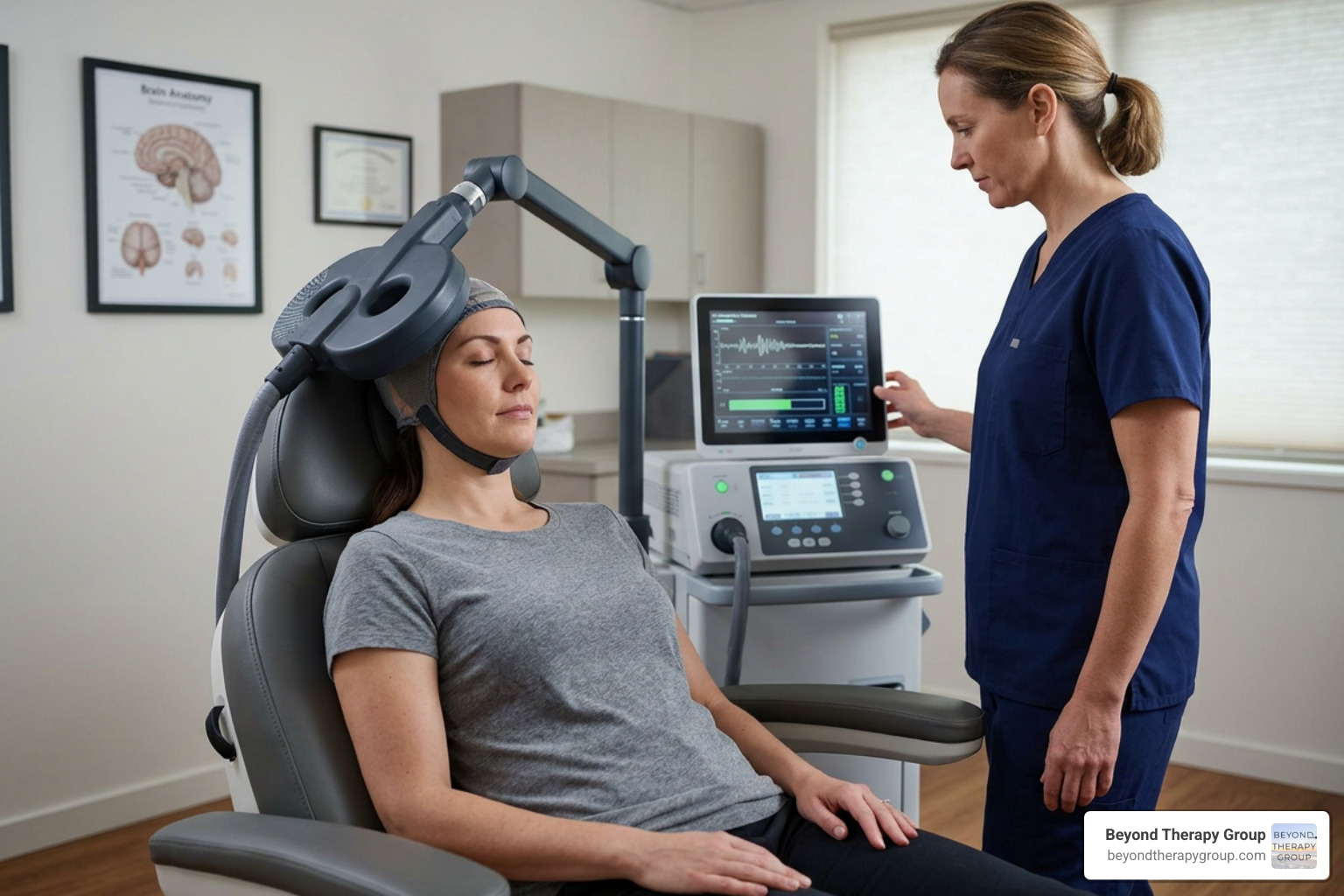
- Repetitive Transcranial Magnetic Stimulation (rTMS): A non-invasive alternative to ECT, rTMS uses targeted magnetic pulses to stimulate nerve cells in the areas of the brain that control mood. It requires no anesthesia, has virtually no systemic side effects, and allows patients to drive themselves home immediately after a session. If you live in the South Bay area, you can learn more about local treatment options at the SoCal TMS clinic in Redondo Beach.
- Vagus Nerve Stimulation (VNS) & Deep Brain Stimulation (DBS): These are surgically implanted devices reserved for the most severe, chronic, and refractory cases of depression, offering continuous, targeted electrical stimulation to key brain regions.
Defining and Managing Treatment-Resistant Depression
Treatment-resistant depression (TRD) is generally defined as a state where a patient has not experienced significant improvement after two or more adequate trials of different antidepressant medications.
Managing TRD requires a highly personalized, step-by-step approach. Rather than simply giving up on medication, a specialized provider may suggest:
- Optimizing the Dose: Ensuring the current medication has been taken at the maximum tolerated dose for at least six to eight weeks.
- Switching Classes: Moving from an SSRI to an SNRI, an atypical antidepressant, or an older class like an MAOI.
- Augmentation: Adding a second agent to boost the primary antidepressant. This often involves low doses of lithium or atypical antipsychotic medications.
- Addressing Co-occurring Conditions: Sometimes, unresolved physical health issues or substance use can mimic or worsen depression. To understand how mental health and substance use are treated together, read our guide on Dual Diagnosis Substance Mental Health.
For a comprehensive clinical overview of managing refractory cases, consult the UpToDate management of treatment-resistant depression.
Tailoring Treatment for Special Populations and Lifestyle Support
No two people experience depression the exact same way. Age, life stage, and physical health all play a major role in how we design a safe and effective treatment plan.
Tailored Care for Adolescents, Pregnant Patients, and the Elderly
- Adolescents: Teenagers require careful monitoring because certain antidepressants can occasionally increase suicidal thoughts in patients under the age of 25. First-line care almost always emphasizes CBT or IPT, with fluoxetine being the most thoroughly studied and approved medication for this age range.
- Pregnant Patients: Untreated severe depression poses significant risks to both the mother and the developing baby. Deciding whether to continue or adjust antidepressants during pregnancy requires a careful, shared decision-making process with a healthcare provider to balance safety and mental stability.
- The Elderly: Geriatric depression is often complicated by other physical health conditions or cognitive decline. Older adults are typically started on lower doses of medications to avoid side effects like dizziness or drug interactions. For a deeper dive into this topic, see our Cheat Sheet to Depression and Anxiety in the Elderly.
If you are looking for specialized guidance in the South Bay region, our resource on How to Choose the Right Anxiety Counseling in Redondo Beach offers practical tips for finding the perfect clinical match.
Lifestyle Modifications and Relapse Prevention
While professional care is essential, the daily choices you make at home support your brain’s healing process and help prevent future relapses.
- Regular Physical Activity: Exercise is a powerful natural antidepressant. Aim for 30 to 60 minutes of moderate activity (like brisk walking, swimming, or cycling) at least three times a week.
- Sleep Hygiene: Depression and poor sleep feed into each other. Maintain a consistent sleep schedule, keep your bedroom cool and dark, and avoid screens before bed.
- Avoid Alcohol and Recreational Substances: While they might offer temporary numbing, alcohol and other substances are chemical depressants that ultimately worsen mood instability and interfere with your medications.
- Stay Connected: Depression thrives on isolation. Even if you do not feel like talking, staying in touch with a small circle of trusted friends, family, or a peer support network can keep you grounded.
Future Directions and Innovative Therapies
The field of psychiatry is evolving rapidly. Researchers are moving beyond traditional theories of chemical imbalances to look at how we can rapidly rebuild damaged neural connections.
Emerging Rapid-Acting Agents in Deep Depression Treatment
The most exciting avenue of modern research is the study of rapid-acting glutamatergic agents. Traditional antidepressants work by slowly increasing monoamine levels (like serotonin), which can take weeks to translate into mood improvements.
In contrast, sub-anesthetic intravenous ketamine infusions and intranasal esketamine act directly on glutamate receptors. This triggers a rapid release of brain-derived neurotrophic factor (BDNF), essentially helping the brain repair damaged synapses and build new neural pathways within hours. This shift toward rapid-acting neuroplasticity represents a massive leap forward in clinical care.
Personalized Medicine and Genetic Testing
We are also moving closer to a future of truly personalized mental health care. Pharmacogenomic testing (using a simple cheek swab or blood test) can analyze how your liver enzymes metabolize certain drugs and how your brain chemistry might react to specific classes of antidepressants. While genetic testing is not a magic bullet, it provides valuable clues that help clinicians avoid a lengthy process of trial and error, getting you the right treatment much faster.
Frequently Asked Questions About Severe Depression
How is treatment-resistant depression defined?
Treatment-resistant depression is typically diagnosed when an individual has tried at least two different antidepressant medications from different classes, at an adequate dose and for an adequate amount of time (usually six to eight weeks each), without experiencing significant symptom relief.
Is electroconvulsive therapy safe?
Yes. Modern ECT is highly safe and performed under general anesthesia, meaning you are completely asleep and do not feel any pain. The most common side effects are temporary confusion and mild, short-term memory loss immediately following the procedure, but the treatment has an exceptionally high success rate for severe, life-threatening depression.
How long does it take for deep depression treatment to work?
Most traditional oral antidepressants take about two to four weeks to start showing initial benefits, and at least six to eight weeks to reach their full therapeutic effect. Psychotherapy also requires a steady commitment, with most structured approaches showing significant results within 8 to 16 weekly sessions. Rapid-acting treatments like esketamine can show results in a matter of hours.
Conclusion
Deep depression can make you feel entirely isolated, but you do not have to carry this heavy burden alone. The science is clear: severe depression is a treatable medical condition, and finding relief is entirely possible with the right clinical support.
At Beyond Therapy, we are dedicated to helping you navigate your mental health journey with warmth, compassion, and evidence-based care. We serve individuals throughout the Redondo Beach and South Bay communities, offering tailored consultations designed to match you with the perfect professional support for your unique needs.
To help you take that first step without any pressure, we offer a free 15-minute consultation with our experienced therapists. This short, informal conversation is the perfect opportunity to ask questions, explore your treatment options, and find a clear path forward.
When you are ready to begin your recovery, we invite you to connect with us at Therapy for Anxiety and Depression and take your first step toward a brighter, lighter tomorrow.
Recent Posts


